
Sources for Previous Residents of a Weber Address
Previous residents are found by pairing sources, because no Weber County record set covers every occupant or every year. The Recorder follows recorded interests in land. Polk directories supply dated household and business entries. The census fills selected federal years. Newspapers, probate, cemeteries, permits, Sanborn maps, plats, and tax records add context. The table marks what each source can and cannot prove.
| Source | Years It Covers | Where Held | What It Shows |
|---|---|---|---|
| Recorder deed or instrument index | Current route; older cutoff not stated | Weber Recorder/Surveyor | Grantors, grantees, dates, legal descriptions |
| Polk directories | 1870–1987 collection | Weber State and Stewart Library | Dated heads of household, address, occupation, family notes |
| 1918 Ogden directory | 1918 | Weber Digital Collections | Address, phone, spouse, post office, street guide |
| Federal census and Archives indexes | 1850 lead; series-specific access | Archives and library routes | Household and historical jurisdiction clues |
| Permits, maps, and tax records | Series-specific; current start not stated | Municipality, GIS, Assessor, Archives | Structure, parcel, value, or project context |
Start with the current parcel for a recent transfer, a directory for a named household, and Archives or census material for a nineteenth-century question. Use a newspaper, obituary, cemetery entry, or probate index as corroboration. The result is stronger when the same address and family clue appear in two dated sources.
The Weber Recorder/Surveyor page is the starting point for the land-record side of a previous-resident search.
Weber County’s Parcel Key Comes First
Search the modern address in Weber Parcel Search and write down the parcel or land-serial number, situs address, mailing address, legal description, tax unit, and mapped geometry. GIS can show the lot, road, subdivision, and nearby parcels. The Recorder FAQ makes the key distinction: an address alone is not a complete legal description, and staff do not perform a title search or provide a legal description by phone.
The mailing address can belong to an owner, agent, trust, or institution away from the property. A current owner display therefore does not prove present occupancy or a past transfer. Use it to obtain the legal key, then read the instrument and compare it with a plat, tax map, survey, or later conveyance.
The Weber Parcel Search accepts parcel number, owner last name, or address. Its result availability and fields should be checked live because a maintenance notice was displayed during research.
Tracing Previous Residents Through Weber Deeds
Trace a deed chain from the current parcel key, not from a street number alone. In a grantor-grantee index, the grantor transfers an interest and the grantee receives it. Follow the current grantee backward to the seller’s earlier purchase, then test each instrument against the same legal description.
- Pull the current parcel, owner as indexed, land-serial number, situs, and legal description.
- Find the current owner’s purchase instrument by party, parcel, recording date, or document reference.
- Take the seller named as grantor and search that name as an earlier grantee.
- Repeat backward, preserving instrument number, book/page, date, parties, deed type, and description.
- When the online route stops, ask for Old Abstracts (Pre 1980), office books, a copy, or a precise document request.
- Grantor and grantee
- The grantor gives or transfers an interest; the grantee receives it.
- Chain of title
- The linked sequence of recorded transfers for a parcel.
- Legal description
- The lot, block, subdivision, or metes-and-bounds language that identifies the land in the instrument.
Weber links the Recorder index, document order, tax plats, historic tax maps, and Old Abstracts route. The exact earliest online grantor-grantee year was not stated, so an older gap needs a custodian check.
Weber County Abstracts and Recorder Copies
The Recorder’s Abstract Title Search is a paid research route listed at $150 per quarter, with one through four quarter periods. The page describes account setup within about an hour during business hours or the next business day after the cutoff or weekend. A one-off question may fit the document order form, office counter, mail route, or a specific request better than a subscription.
The fee page identifies a May 6, 2026 HB 38 schedule. It lists $45 for an instrument with up to ten legal descriptions, $2 for each additional legal description, $1 per document sheet for copies, and $5 for a certified copy under seal. Fees are time-sensitive. Ask for the current schedule before paying.
The Weber abstract-title route is the source behind this house-history capture.
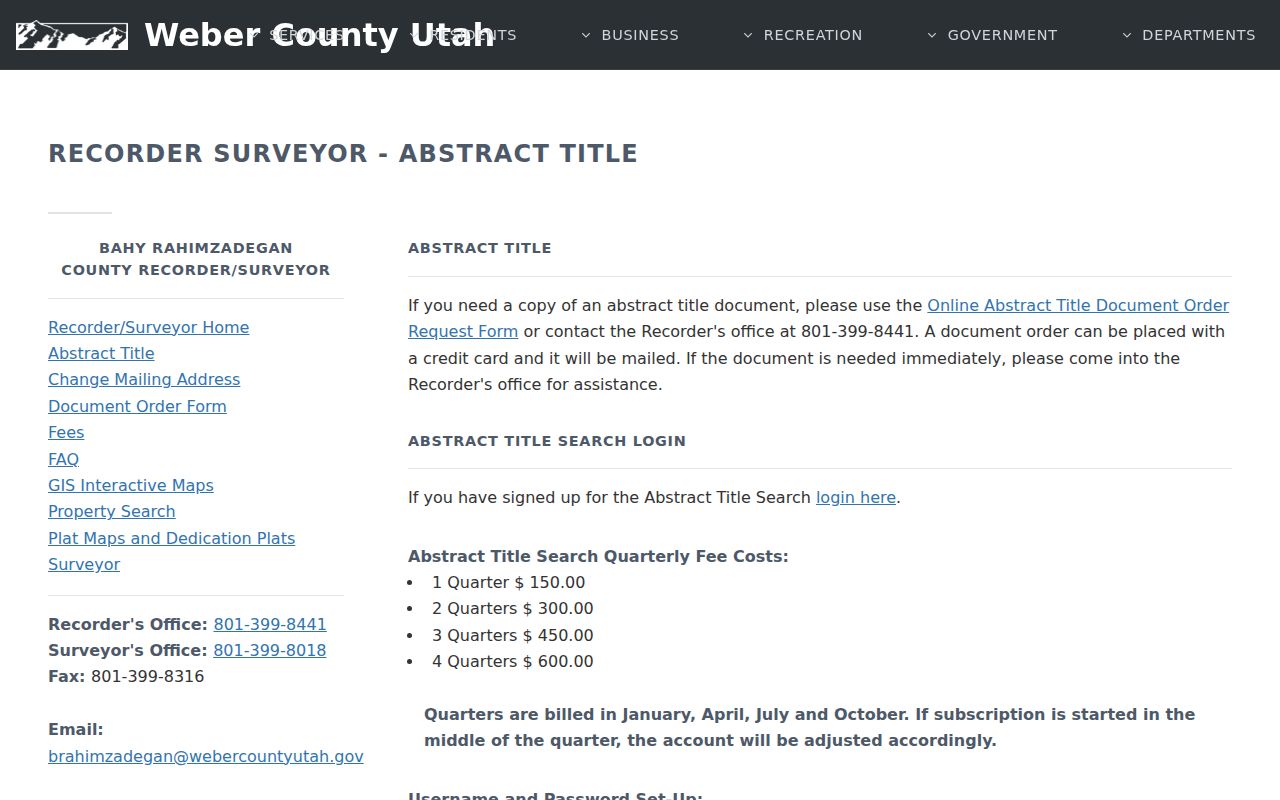
The Abstract Title Search route explains the subscription fields and access path. It is a research service, not a legal title opinion.
Weber County Directories Around the Address
The Weber State Polk city directory collection spans 1870–1987. The 1918 Ogden volume describes heads of household, residential and business addresses, phone numbers, occupations, spouse notation, death dates, firm partners, forwarding addresses, and post offices. Search the target street and name in the nearest available volume before and after the target year.
A directory entry shows a dated publication fact. It does not prove continuous occupancy. A person may be listed under a spouse, initials, business, or old street form. A missing entry may mean a move, a changed scope, a missed edition, or a person who was not included as a head of household.
The 1918 Ogden directory includes a street-and-avenue guide that can translate old numbered streets before a modern parcel search.
Weber County Maps, Permits, and Structure History
For a building story, compare Weber GIS geometry, plats, historic tax maps, municipal permit or planning records, assessor characteristics, and Sanborn material where coverage exists. A Sanborn map can describe construction, use, height, or fire-protection features at its mapped date. It does not prove title or continuous occupancy, and a complete Weber/Ogden year inventory was not confirmed.
Ogden’s departments page links Building Permit Records, City Recorder, Justice Court, Planning, and Police. The city form center offers word or phrase search, category filters, and a Search control. A permit can identify a project or applicant, but access and privacy depend on the municipal record.
The Ogden departments page is the source behind this municipal-records capture.
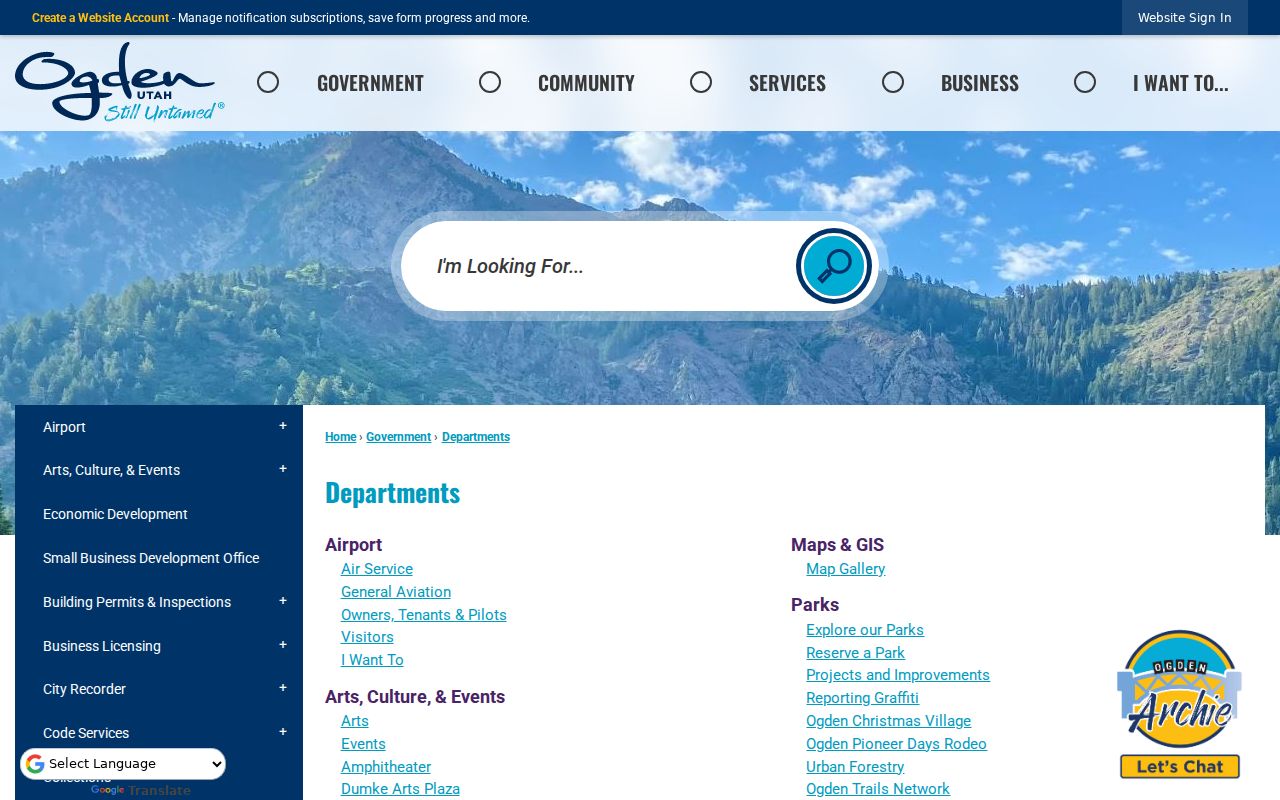
Use Ogden departments and the city form center to identify the local custodian for an address-specific request.
Past Weber Households in Historical Sources
Directories, census schedules, newspapers, cemetery registers, and probate files add the household layer that deeds cannot provide. Pair a directory year with the closest available census, then use a newspaper or obituary to test a move, death, business, or family link. The detailed historical collection route is on the Weber County city directory page.
Ogden City Cemetery was established in 1851 and maintains a complete interment register. The statewide burials database can locate a cemetery or county lead. Probate indexes and case files can identify an heir, fiduciary, or estate address, but access and adoption privacy rules still apply. A burial record is not a death certificate, and an obituary can contain errors.
Lawful use. Previous-resident research is for house history, family history, and focused personal research. Do not use a deed, directory, obituary, voter lead, or address record to stalk, harass, threaten, or repeatedly contact a living person.
Keep one line per claim: source, year, page, parcel or address, and what the record actually shows. A former owner is not automatically a former occupant.
The Weber court-register index is the source behind this probate capture.
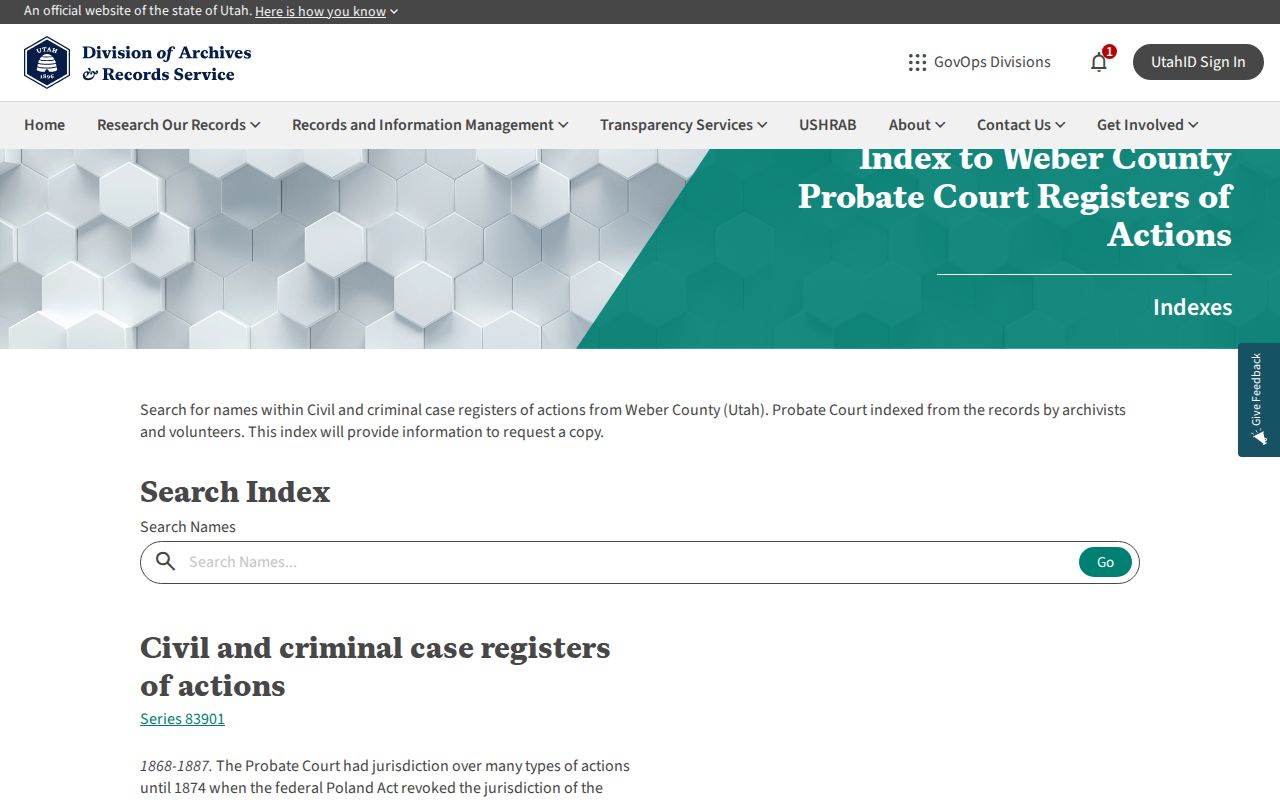
The Weber probate index is a historical lead for estate research. Compare it with the deed, newspaper, cemetery, and directory evidence before drawing a household conclusion.
Weber County House-History Source Captures
The Second Weber indexes at Utah State Archives can extend a name or household search into historical county material.
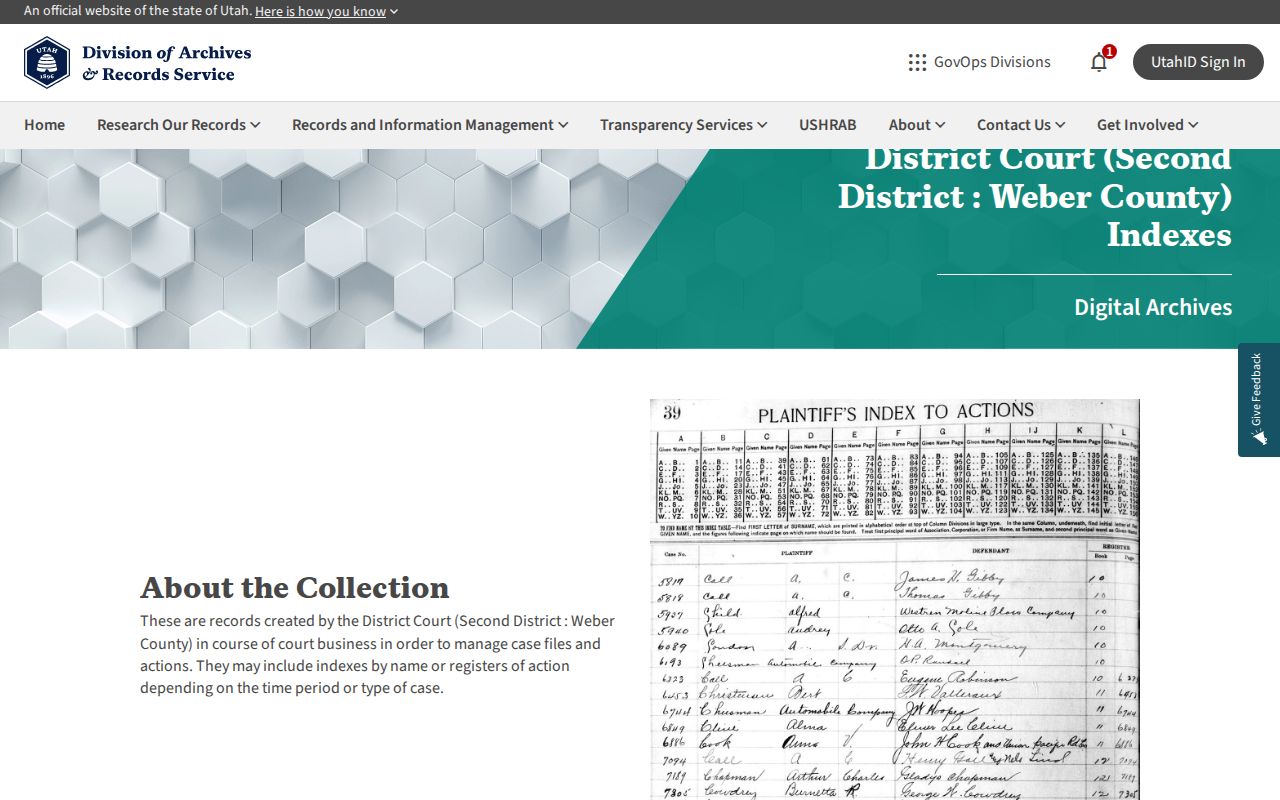
Capture the index title, series, page, and date before requesting an underlying record.
The Weber County Sheriff records page identifies a records-request path for public materials.
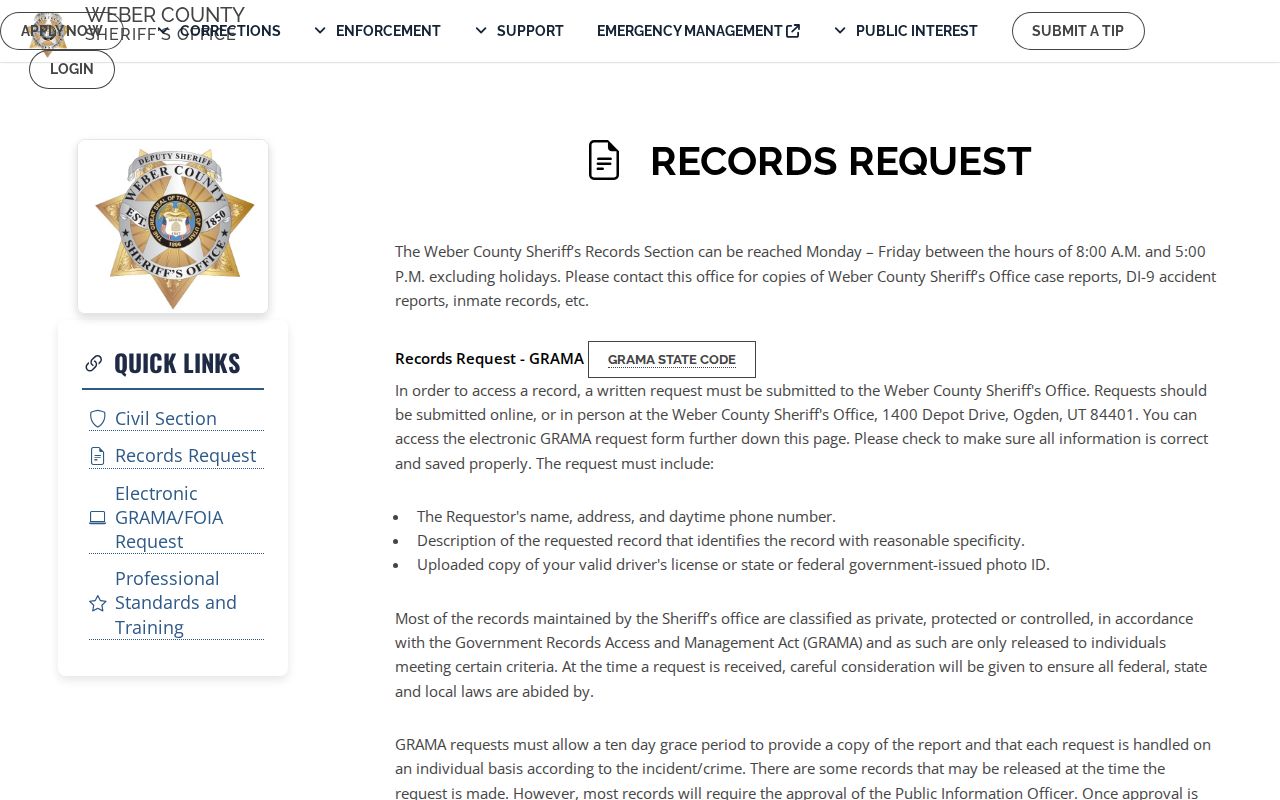
A request should name the date range and record type; a current roster is not a complete historical household source.
The Weber County Sheriff history page gives institutional context for older local records.
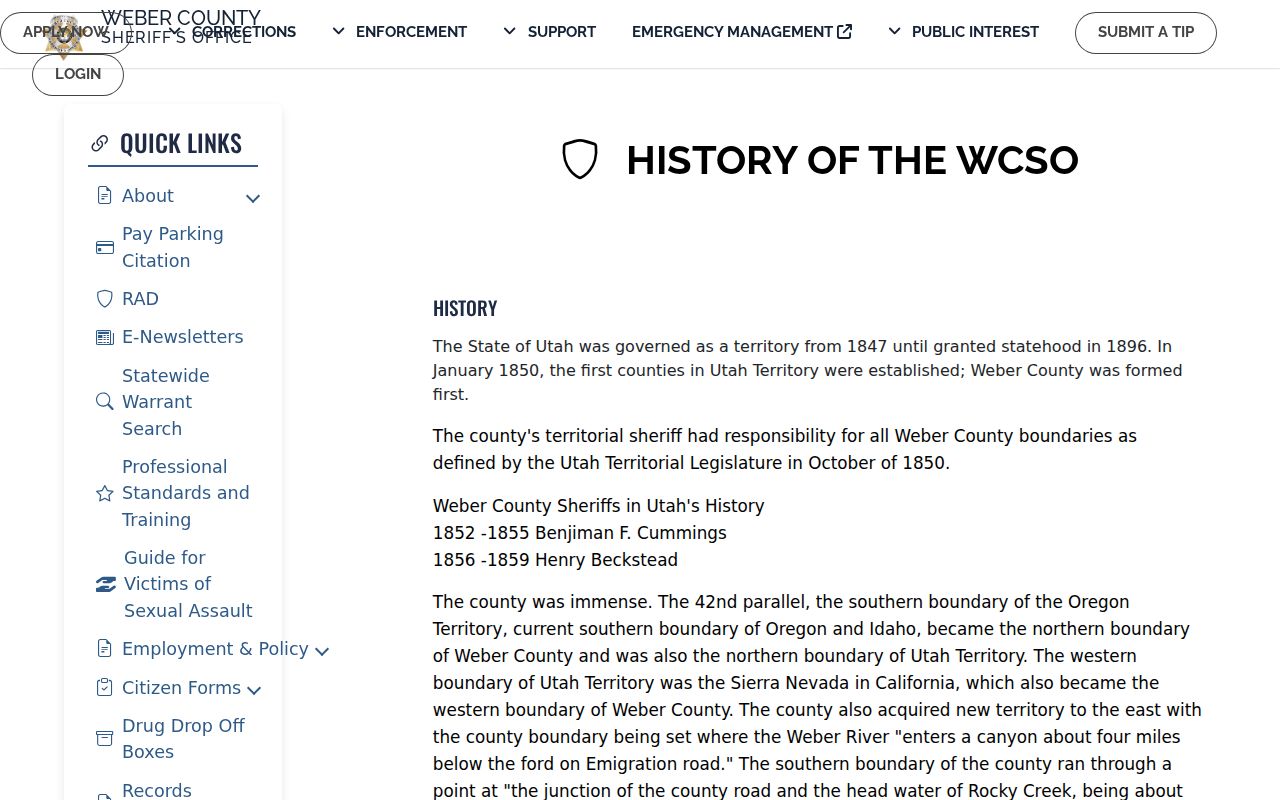
Historical context helps explain why an agency name or record format changes across decades.
The Utah Xchange subscription page documents a paid access route for court research.
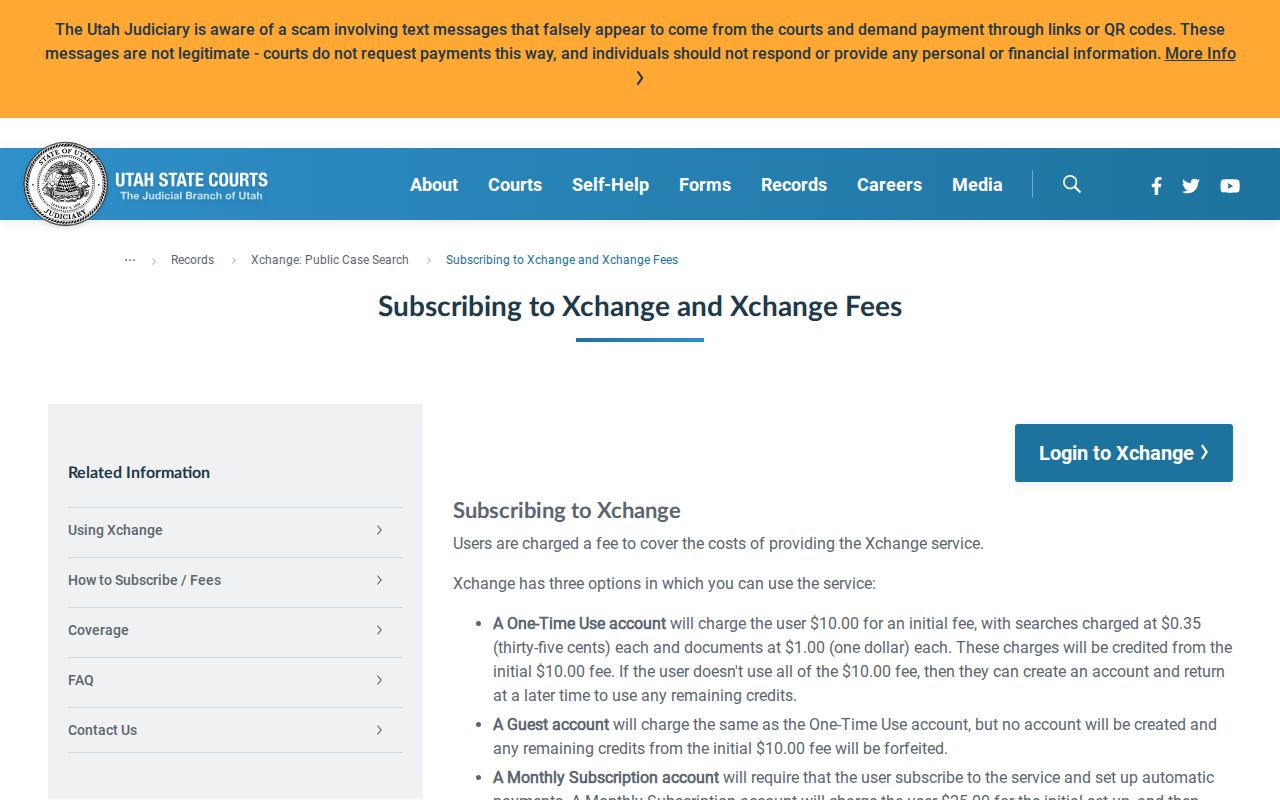
Subscription access is still subject to the court’s record scope, privacy rules, and document availability.
The Utah burials search can supply a cemetery lead for a former household.
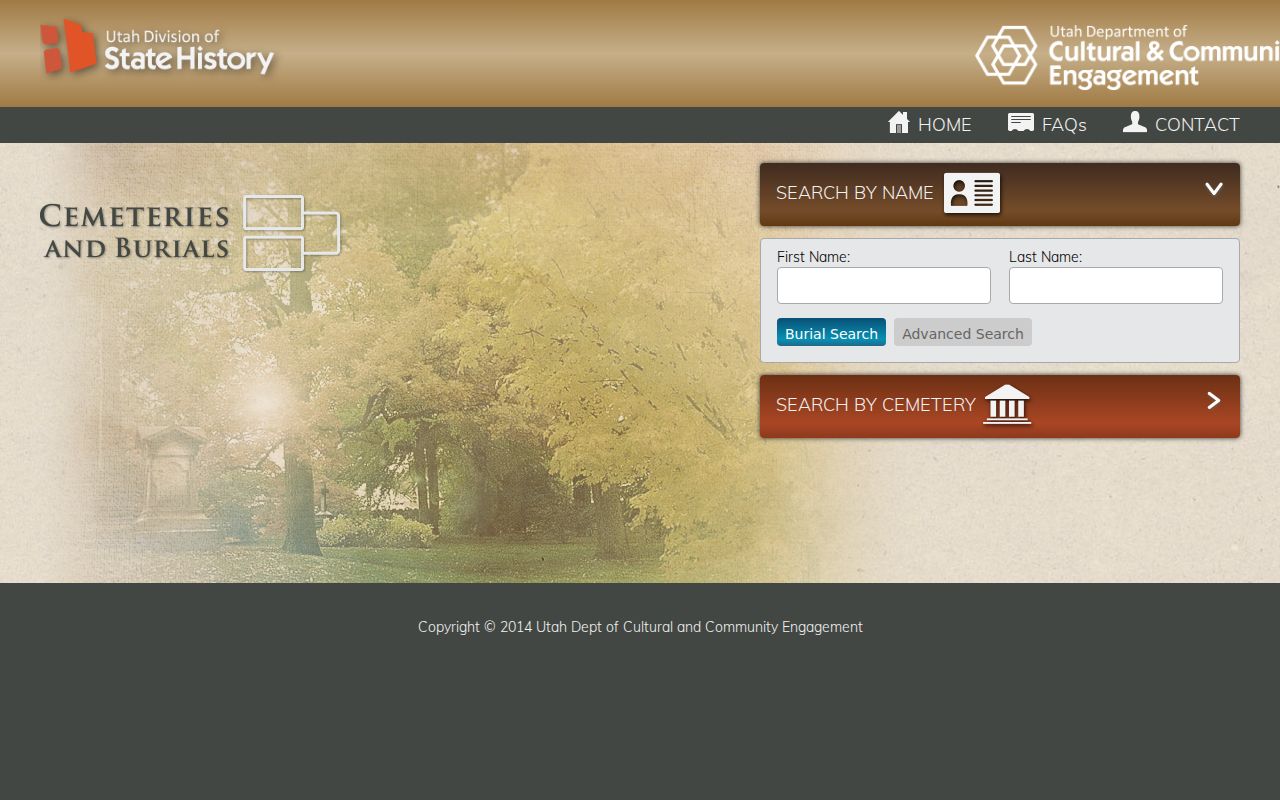
Confirm the interment with a cemetery or marker source; a burial result does not establish a prior address.
The Utah marriage guide helps connect a household name with a historical family event.
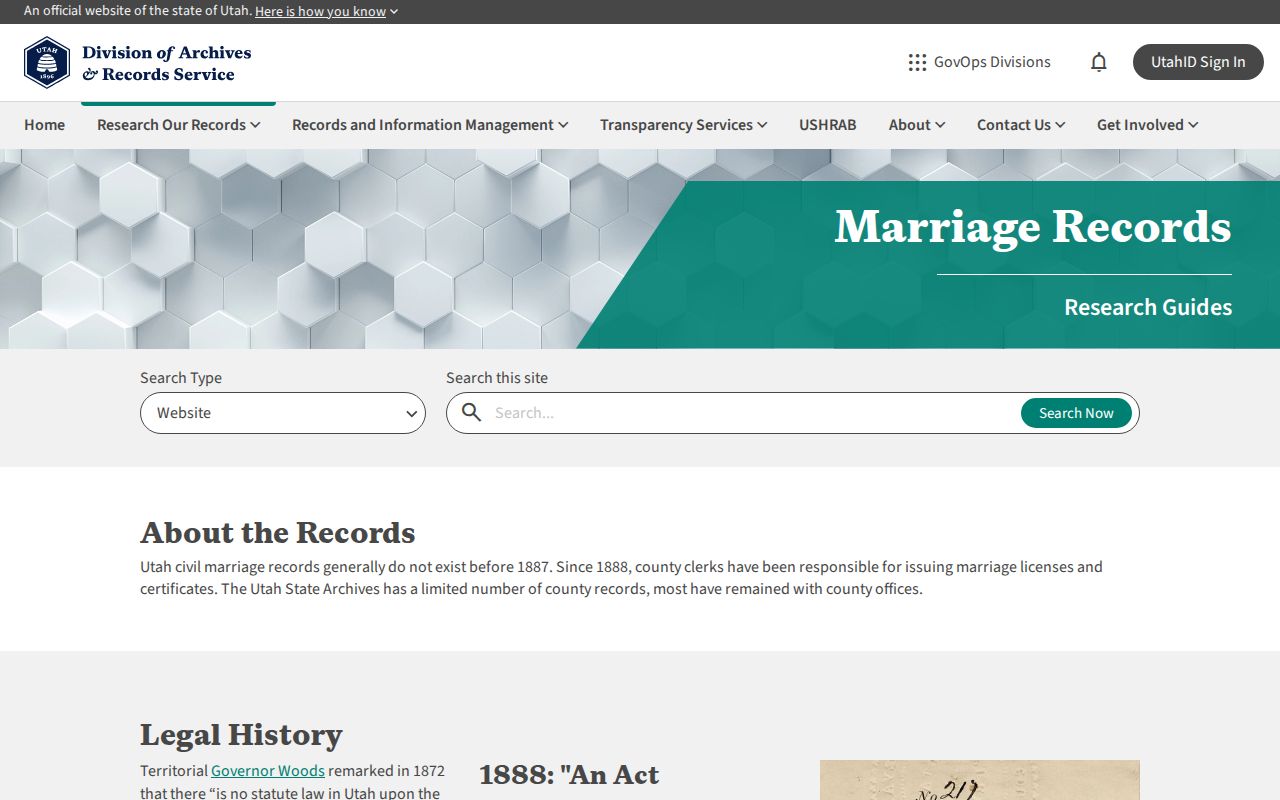
Keep the marriage date and place separate from the later address evidence used in a house history.
The Utah State Archives research page is the broad finding-aid route for collections beyond the online index.

Archives staff and series descriptions can identify boxes, reels, and access limits that a general search cannot.
The District of Utah copy-instructions page is the federal-court fallback for a Weber-related case.
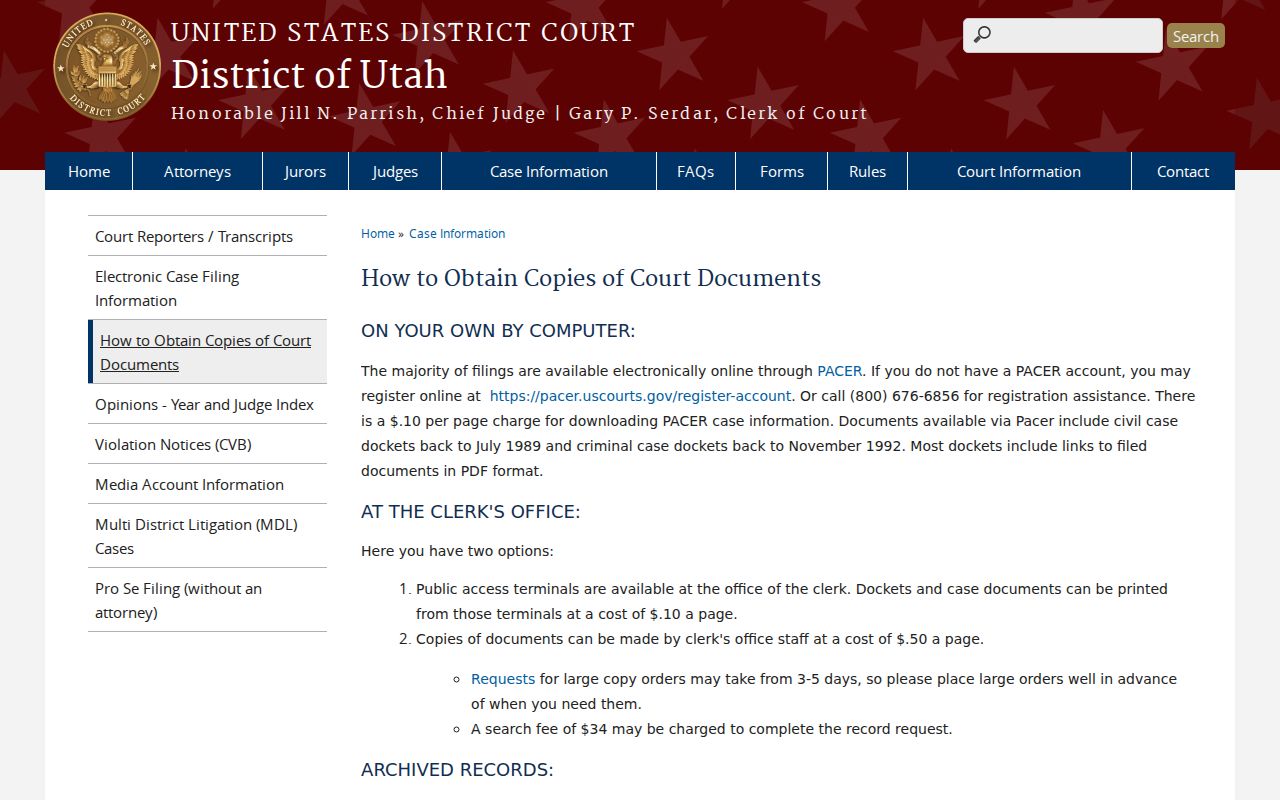
Federal court files are not the same as a county deed, municipal permit, or Utah Xchange entry.
The Ogden City Cemetery page is a local interment and map lead for house-history research.
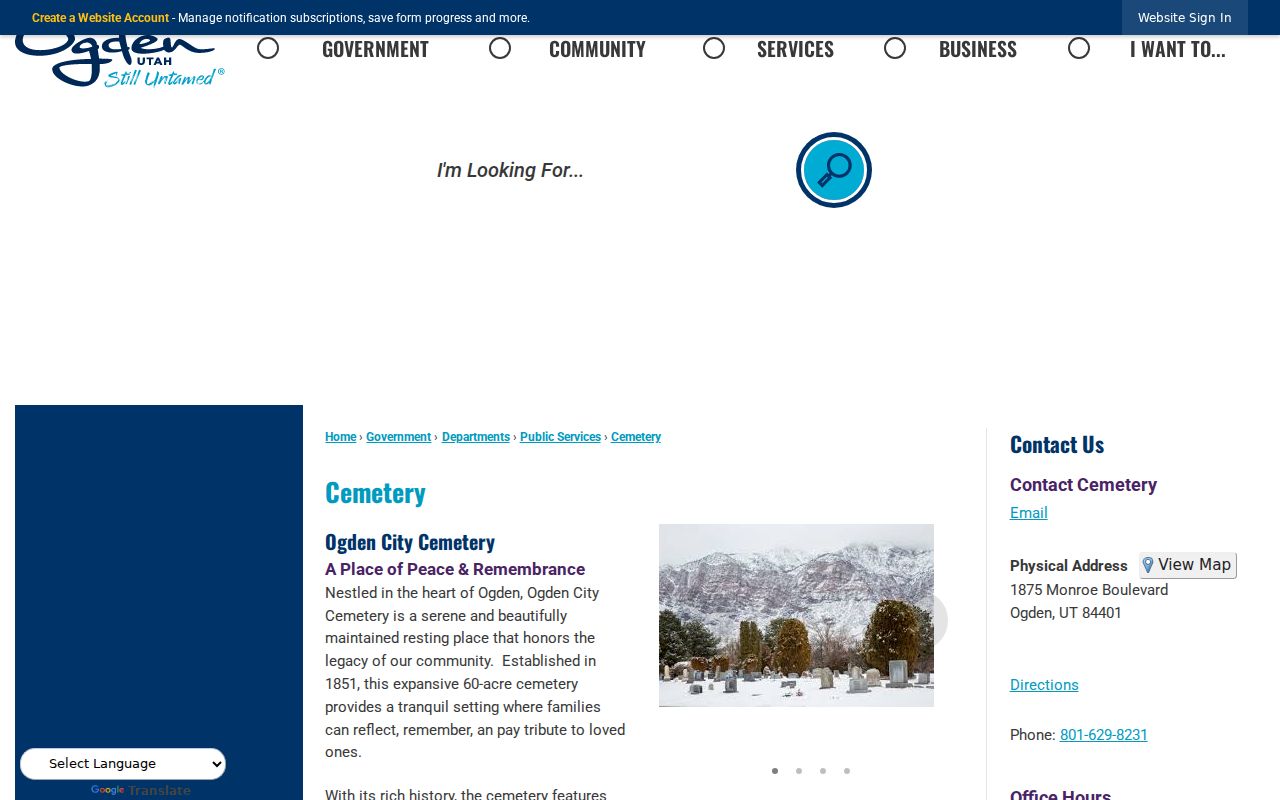
Use the cemetery’s own register or marker details to corroborate a name, date, and family connection.
The Weber Probate Court inventory identifies civil and criminal case-file material held by the Archives.
Case-file availability, privacy, and series description should be confirmed before a request is made.