
What a Weber County Resident Lookup Covers
A Weber County resident lookup is a set of narrow record checks, not one master database. Parcel Search can identify an owner as indexed and a situs or mailing clue. Utah voter search serves the registrant’s own registration. Xchange can return a public case lead. Vital records, directories, cemeteries, business filings, and licenses answer older or more specific identity questions. The access column matters as much as the result.
| Record | What It Confirms | Where to Search | Access |
|---|---|---|---|
| Parcel and Assessor | Owner as indexed, situs and mailing clue | Weber Parcel Search and GIS | Online when live; ownership is not occupancy proof |
| Voter registration | Own registration and fields allowed by current rules | Utah voter search | Self-search; files are separate and date-sensitive |
| Court case | Party, case, filing/disposition, public case history | Utah Xchange | Paid search and documents; privacy limits |
| Vital or marriage | Birth, death, marriage, divorce, relationship lead | Utah Vital Records and Weber Clerk | Public by age; earlier copies require eligibility |
| Business or license | Organization affiliation or license status | Utah Commerce and DOPL | Free public search; details vary |
Start with the record that matches the clue. An address goes to parcel and GIS. A court date or county goes to Xchange. A birth, death, or marriage event goes to the relevant state or county custodian. An older household belongs in directories, newspaper microfilm, cemetery records, or Archives indexes. The same-name problem is solved with a second clue, not with more unfiltered personal data.
Weber County Utah Xchange Search Fields
Utah Xchange is the main public case-information route for Weber district and justice courts. Its help page exposes enough controls to make a careful name search: choose jurisdiction, case type, or judgments; enter case number, last or company name, first name, birth date, citation number, or citation location; narrow the county or court; and open the date panel for filing, disposition, judgment, or satisfaction dates.
| Scope | District, Justice, or both; statewide, county, or court. |
|---|---|
| Name | Last name or company, plus first name; a wildcard can narrow a variant. |
| Case filters | Case number, case type, judgments, citation number, and citation location. |
| Date panel | Filing, disposition, judgment entry, or judgment disposition/satisfied. |
| Result limit | Search results are limited to 500 records. |
A case result can show court, case type, case number, filing date, parties, party code, case history, and documents. Criminal results can include birth date when available. Sealed, expunged, juvenile, and designated private matters do not appear as ordinary public results. Search history and a case number are leads, not a complete statewide record.
The Utah Xchange help page is the source behind this search-fields capture.
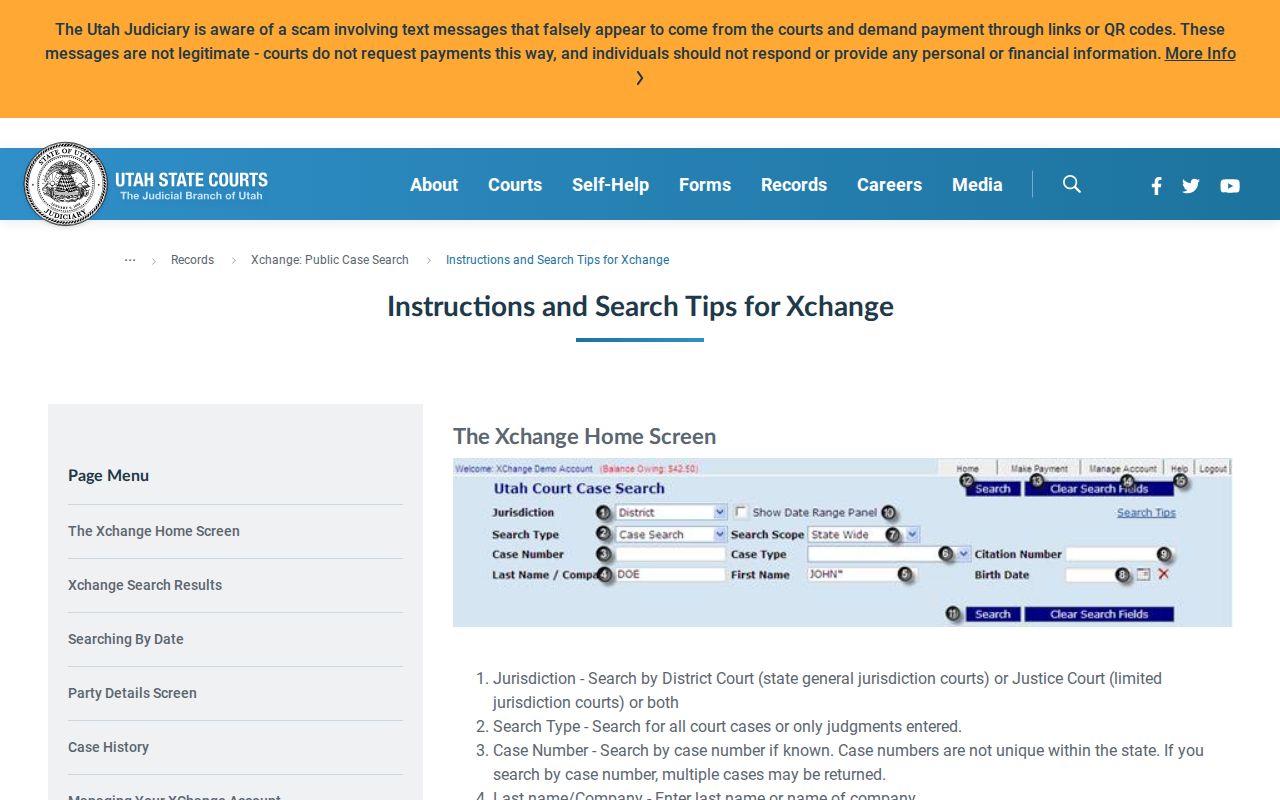
The Xchange help page is the source for the field list. Use the local court or a court-record request when the public result needs inspection or certification.
Verifying One Weber County Name
Same-name hits are common in a county with a long directory and court history. Separate candidates with middle initials, maiden or married names, spouse or parent, approximate age or event year, court location, parcel, business, cemetery, and street. Never treat a matching name alone as proof that two records describe one person.
- Write the supplied name exactly, then list variants, initials, spouse, relatives, and the approximate event or residence year.
- Anchor the name to a public place clue, such as a parcel, court county, directory address, cemetery, or business filing.
- Run the narrow official index and save the source date, result fields, case or instrument number, and privacy status.
- Compare the second source. Mark the relationship as confirms, supports, conflicts, or unverified.
- Request a copy from the custodian only when the record is public and the requester meets the stated access rule.
For a family-history question, an heir trail may move from probate to a deed, obituary, cemetery, or directory. A birth-parent question belongs with Utah’s official adoption or confidential-intermediary route. A former classmate may be approached through yearbooks, alumni archives, and library staff rather than a current-address search.
Verifying a Weber County Resident’s Records
Verification means matching a record to the right person and the right question. A parcel card can show an owner as indexed, not occupancy. A court docket is a case history, not every filing. A vital index can point to an event while a certified copy has eligibility rules. Keep those distinctions visible in the research log.
- Anchor the name to a date and place through parcel, directory, cemetery, or the requester’s own voter record.
- Run Xchange with name variants, court scope, case type, and date filters.
- Compare any case or party details with a vital index, marriage search, obituary, business filing, or license result.
- Order a certified copy from the custodian only after checking the record age, relationship, ID, fee, and delivery route.
- Docket
- The court’s running case record, including filings, events, and dispositions.
- Index versus image
- An index helps locate a record; an image shows the document and may require a fee or request.
- Certified copy
- A custodian’s sealed or otherwise authenticated copy accepted for an official purpose.
The Utah court-record request route supports inspection or copies and generally uses a 10-business-day response standard.
Weber County Vital Records by Public Age
Utah Code §26B-8-125 sets the core public periods: births after 100 years, deaths after 50 years, and marriage, divorce, and other vital records after 75 years. Before a record reaches its public period, direct, tangible, and legitimate interest, relationship, legal authority, approved research, or a court order may be required. Confirm the current statute, form, ID, and fee before ordering.
| Record | Weber route | Historical lead | Public-period note |
|---|---|---|---|
| Birth | Utah Vital Records | Weber index, 1898–1905 | Public after 100 years |
| Death | Utah Vital Records | Archives county material, 1898–1905 | Public after 50 years |
| Marriage | Weber Clerk/Auditor search | Original Weber licenses from 1887 | Public after 75 years |
| Divorce | Vital certificate or court file | State form identifies 1978–2010 and limited 2011-forward data | Public after 75 years; earlier access is restricted |
Weber’s marriage search accepts first name, last name before marriage, year, and year-from/year-to. A regular image is listed at $2 and a certified copy at $10. The state marriage/divorce form lists an $18 initial certificate, $10 additional certificate, and $15 expedited processing. These are dated fee leads and should be rechecked.
The Utah Office of Vital Records and Statistics is the source behind this vital-records capture.
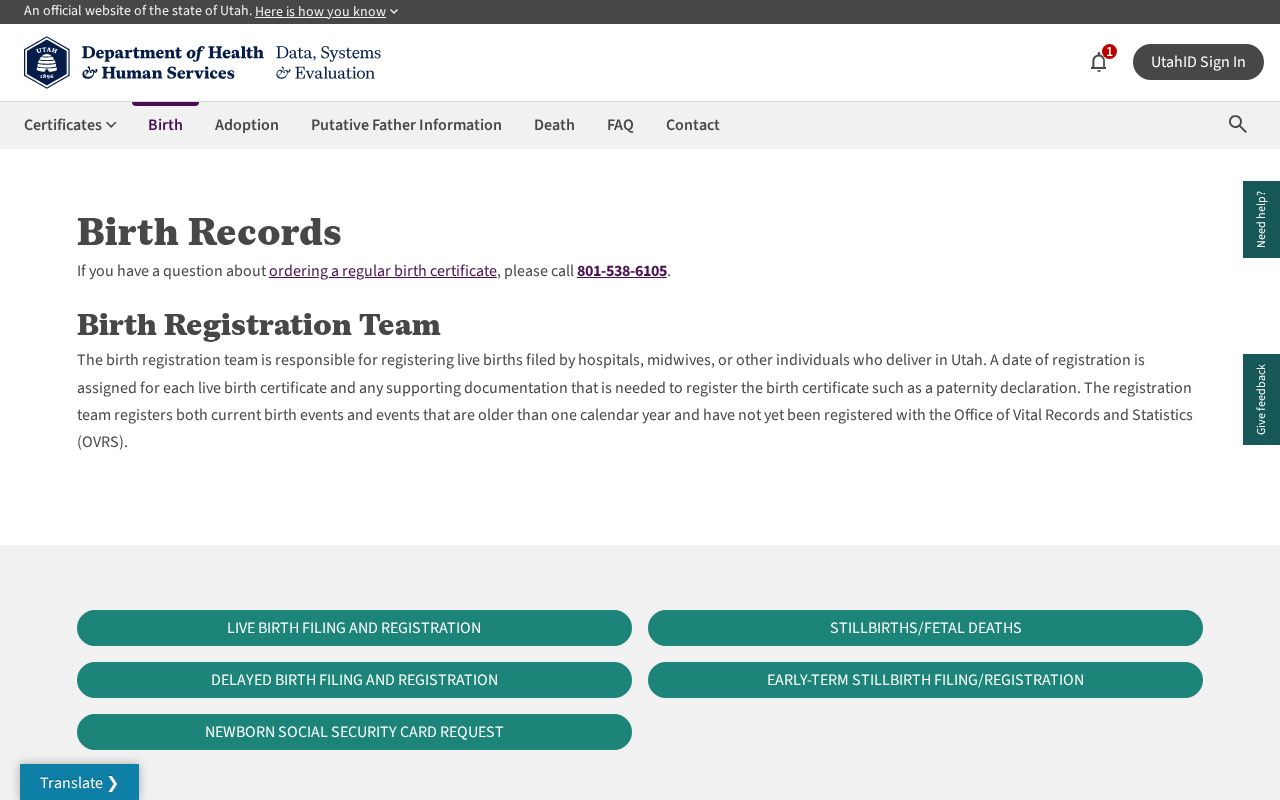
The Utah Office of Vital Records and Statistics explains the order routes and access periods. A historical index hit is not itself a certified certificate.
When a Weber County Resident Record Is Missing
A missing result can reflect privacy, a record conversion gap, a spelling variation, a county boundary change, a different custodian, or a person who was never included in that record set. Weber’s historical boundaries changed when Davis, Box Elder, and Morgan Counties separated in 1855, 1862, and 1866. A nineteenth-century “Weber” entry may therefore need a broader historical search.
Use the source’s fallback. Ask the court clerk for a public file or certified copy; ask the Recorder for an instrument number or legal description; ask Vital Records about eligibility; ask the library for microfilm or genealogy databases; ask Archives for series, box, reel, and page; or file a precise GRAMA request with the department that maintains the record. Do not fill a gap with an unverified match.
The Utah State Archives Weber indexes are browsable finding aids. Follow series and page sequence, then request the underlying record when available.
Legal Limits on a Weber Resident Lookup
Utah public-record law does not make every name, address, case, or vital record unrestricted. Voter data has public, private, and protected classifications. Court systems omit sealed, expunged, juvenile, and other private matters. Safe at Home keeps qualifying participants’ actual addresses confidential while a substitute address may be public. The federal Driver’s Privacy Protection Act also limits DMV information.
Lawful use. A Weber County resident lookup is for personal, lawful research, family history, civic records, or a focused custodian request. Utah law does not permit stalking, harassment, threats, intimidation, or repeated unwanted contact.
Utah Safe at Home provides a substitute address and mail forwarding through a certified program assistant. Enrollment generally lasts four years and can be renewed. Older records created before enrollment may not become confidential automatically, so do not promise removal from every historical source.
The Utah voter search is the source behind this personal-lookup capture.
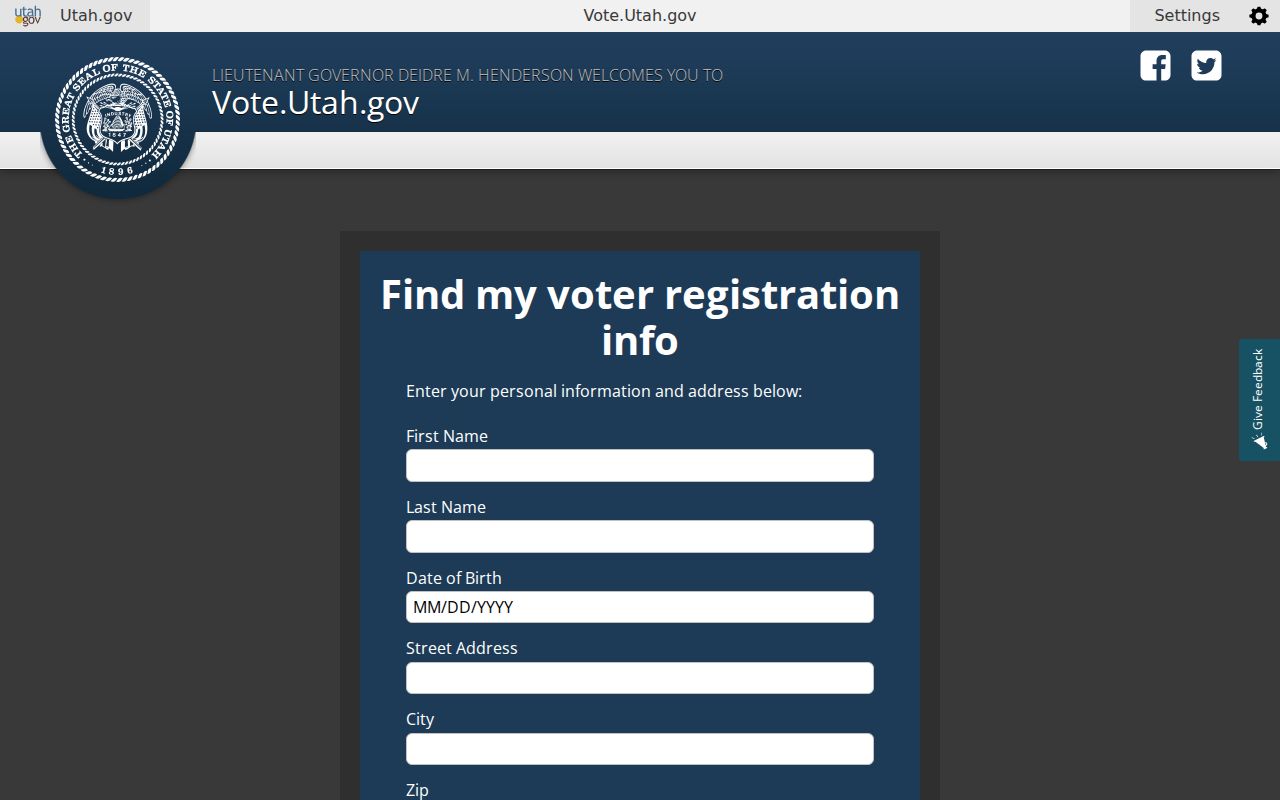
The Utah voter service is a personal registration lookup. For withholding or protected status, use the current state election privacy route and the custodian’s instructions.
Weber County Resident Research Sources
The Federal Bureau of Prisons locator is a narrow federal custody source, not a general Weber County resident directory.
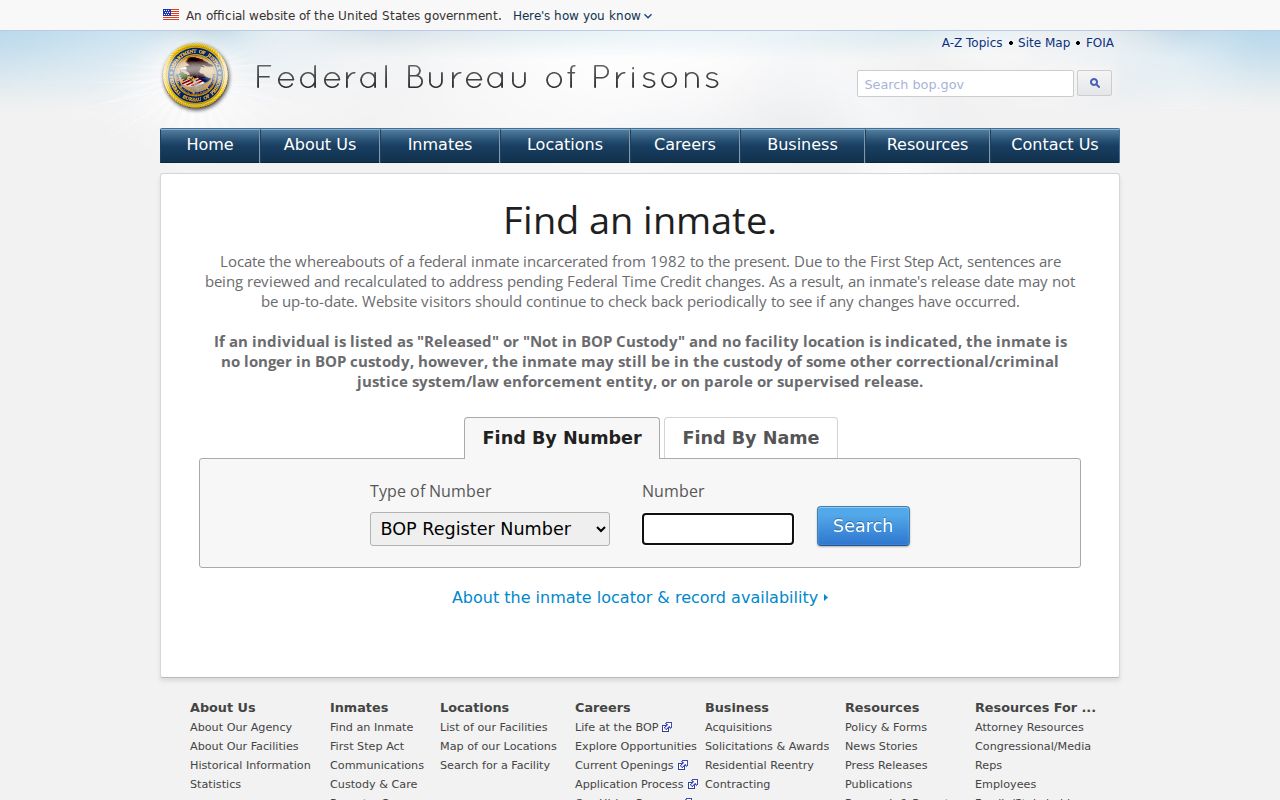
Use its scope and date carefully; a non-result says nothing about ordinary county residence.
The Utah State Archives Weber birth index is a historical index route for qualifying birth records.
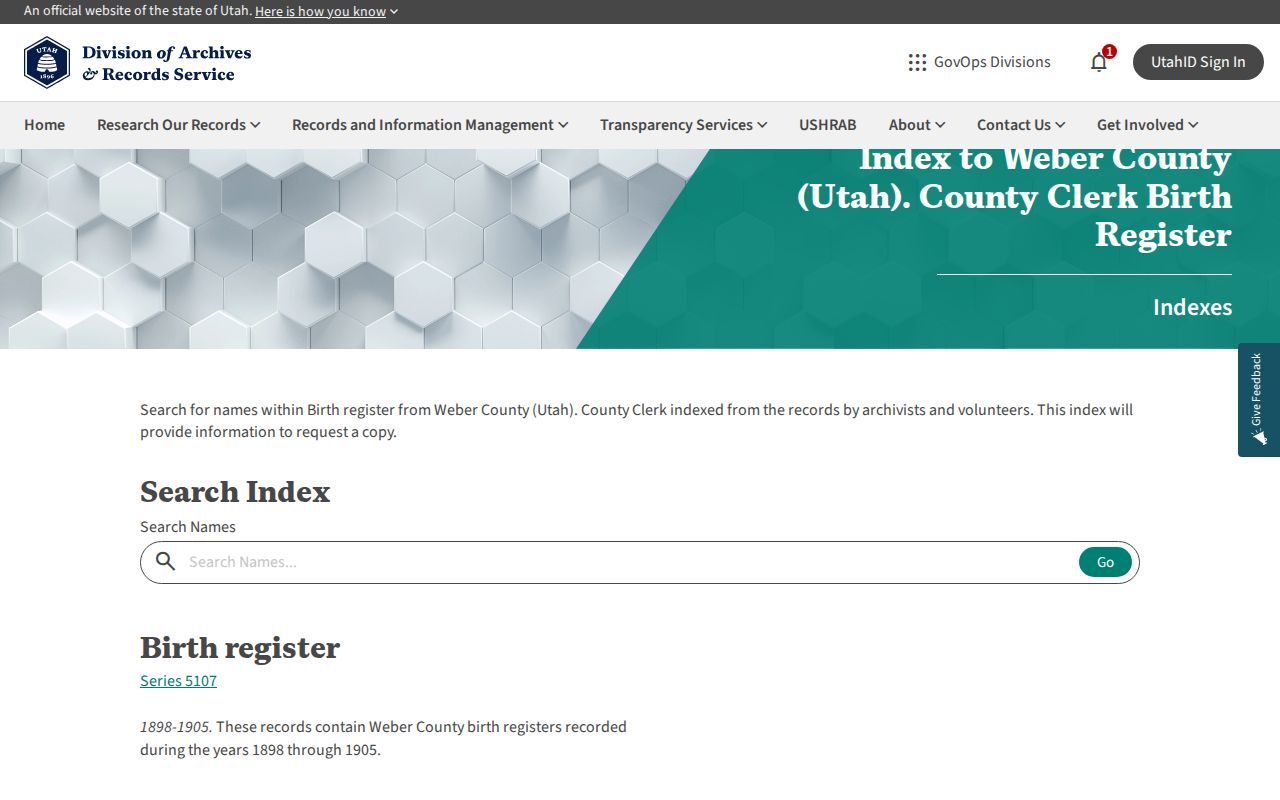
An index lead still needs the correct series, date, and eligibility route for the underlying record.
PACER identifies federal court access and account requirements.
Federal court material is separate from Utah Xchange and should not be merged into a state-court search.
The Utah Attorney General FAQ provides general identity and public-information guidance.
General guidance cannot replace a custodian’s decision about a particular person or record.
The Utah voter privacy page describes public, private, and protected voter-information distinctions.
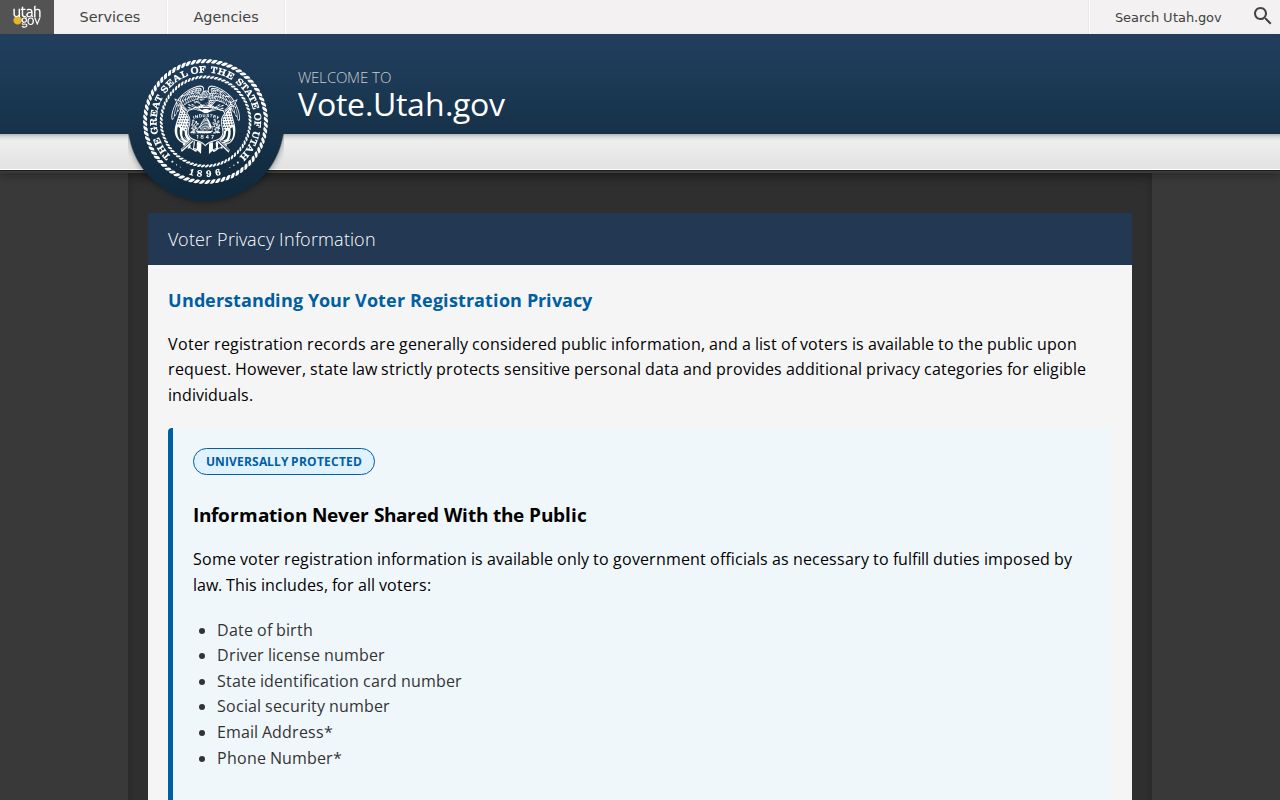
Apply the privacy classification before copying or sharing any registration result.
The Utah courts and probate guide explains historical series that can supplement a name search.
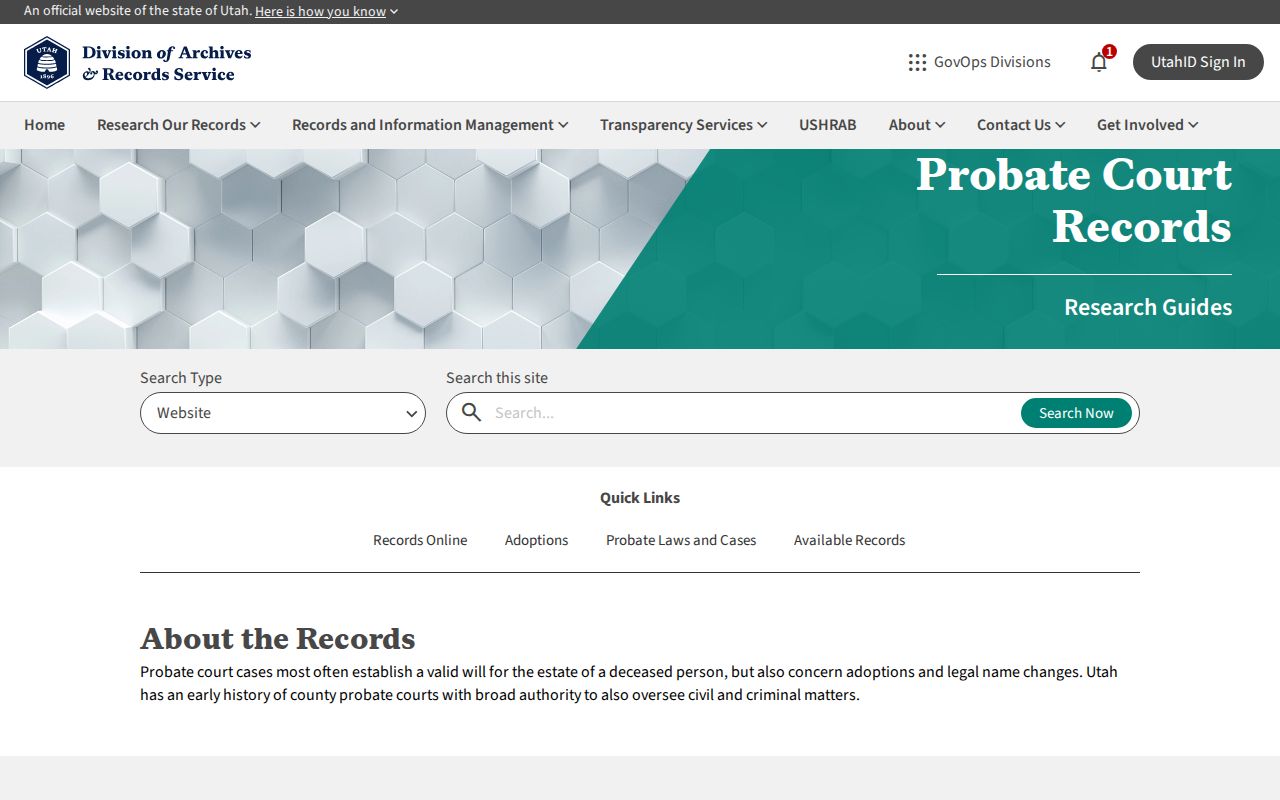
Series and date are essential because “court record” can describe several different custodians.
The Utah registration-update page is for a voter’s own registration changes.
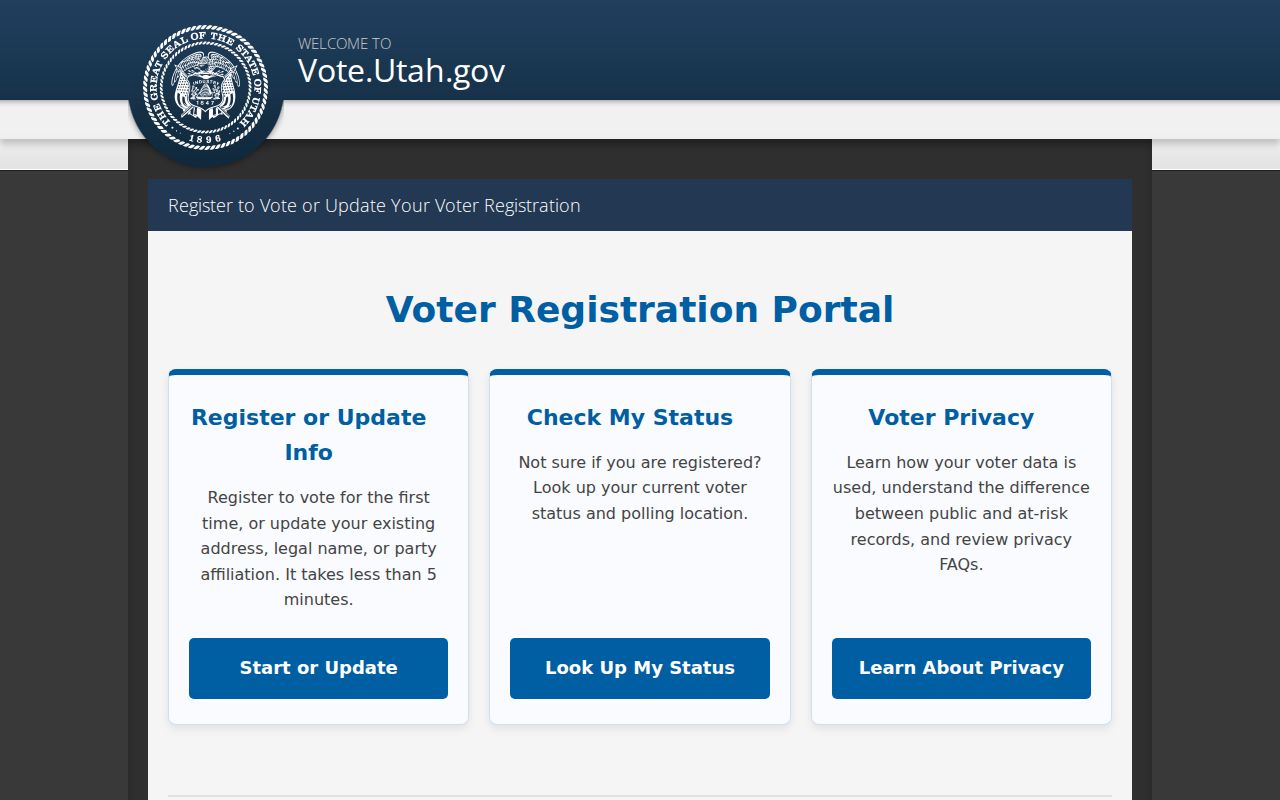
It should not be presented as a public bulk lookup or a complete household source.
The Utah Xchange portal is the central public case-search route for a Weber court lead.
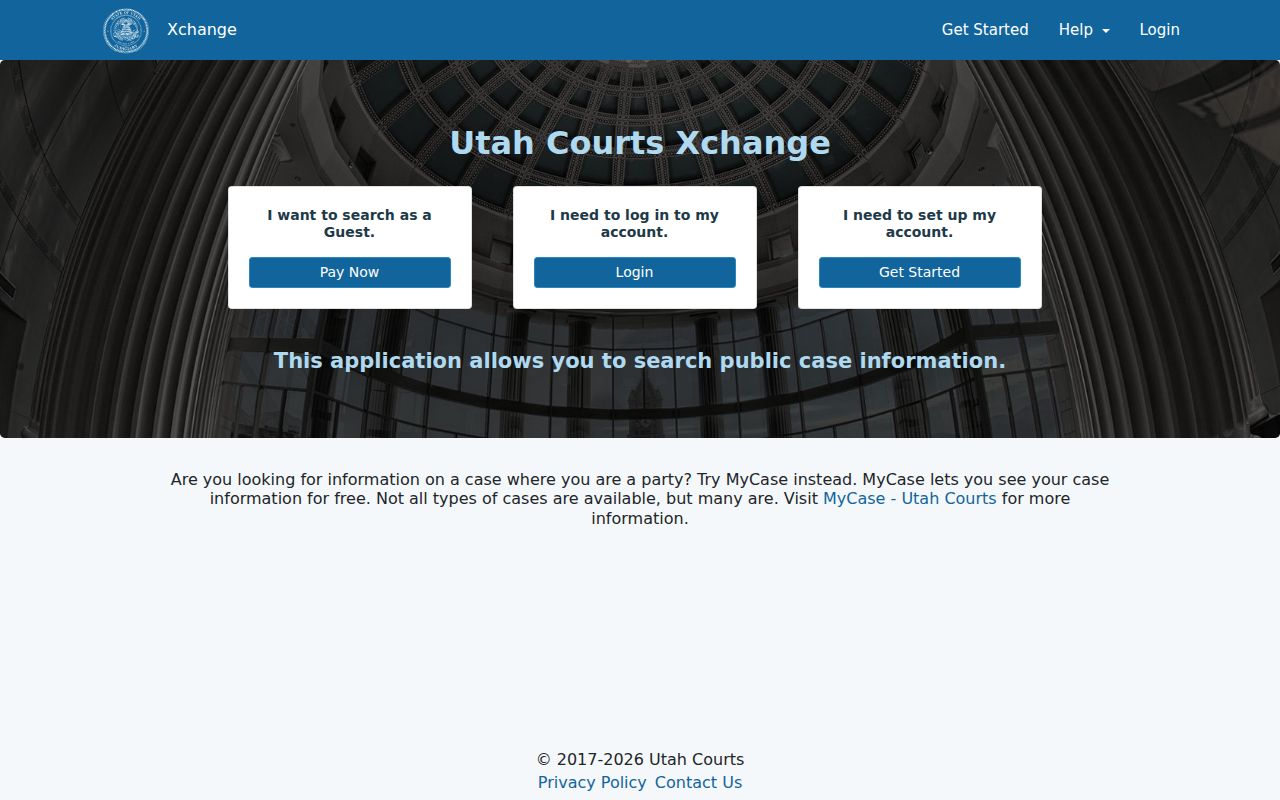
Record the court, case number, party role, and filing date before opening any document link.
The Ogden Justice Court page helps identify the municipal-court route for an Ogden case.
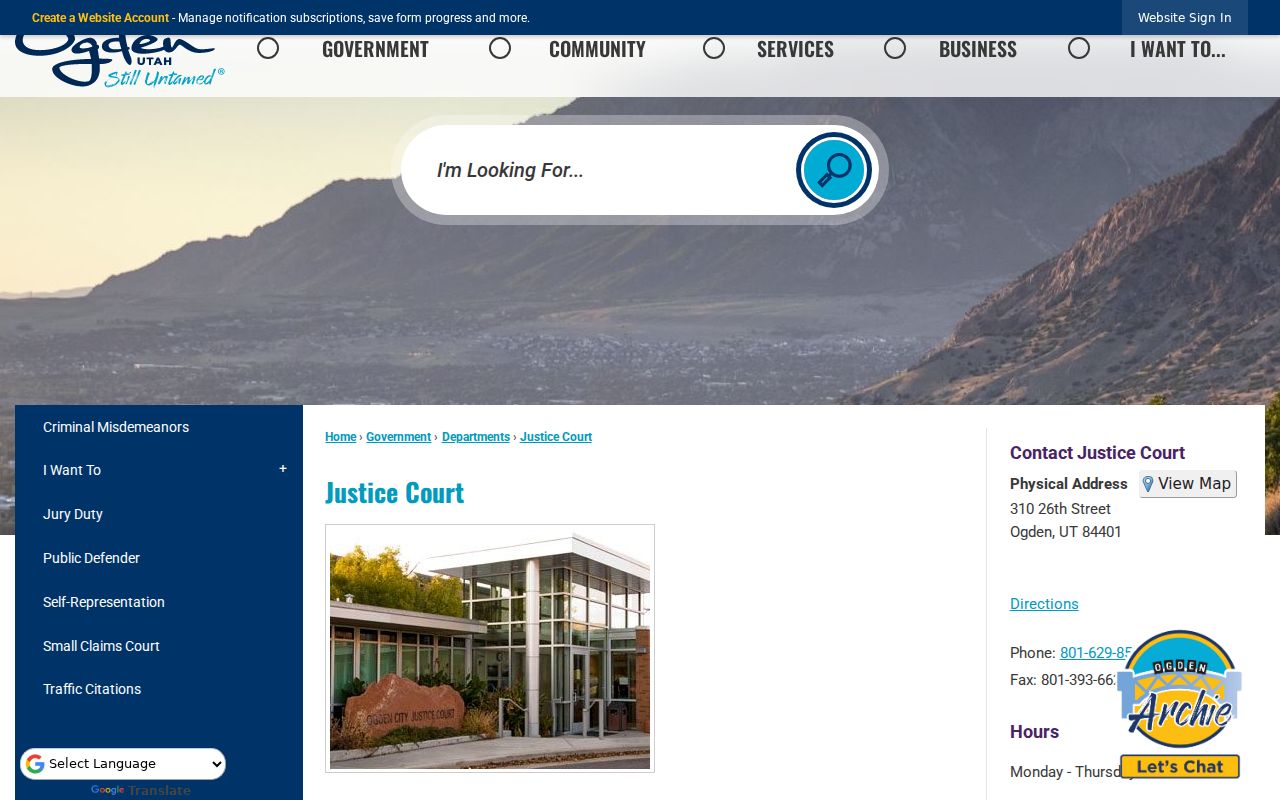
Municipal cases and district-court cases use different court scopes and request paths.
The Utah NVRA data page explains an elections-data route with its own request context.
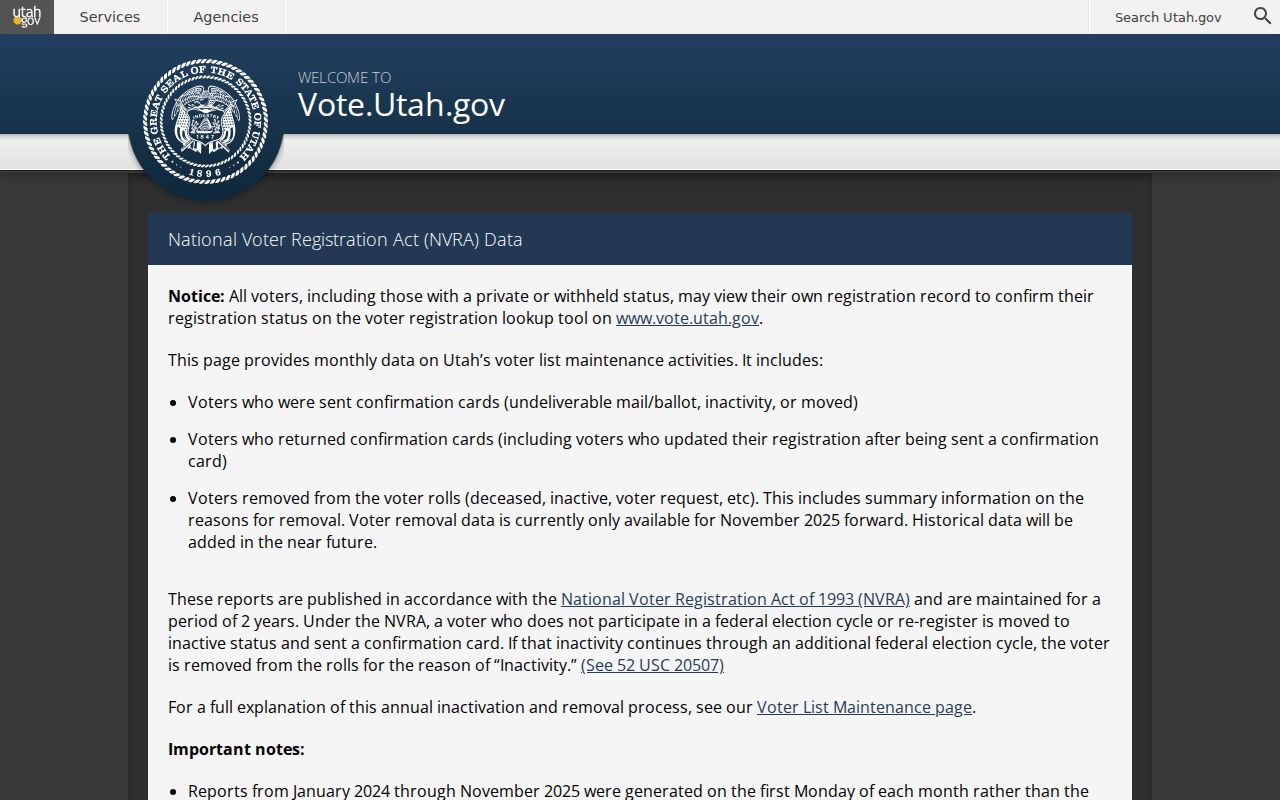
Use the published data description rather than assuming it is a name-by-name resident list.
The Utah death-record page supplies current access and ordering information.
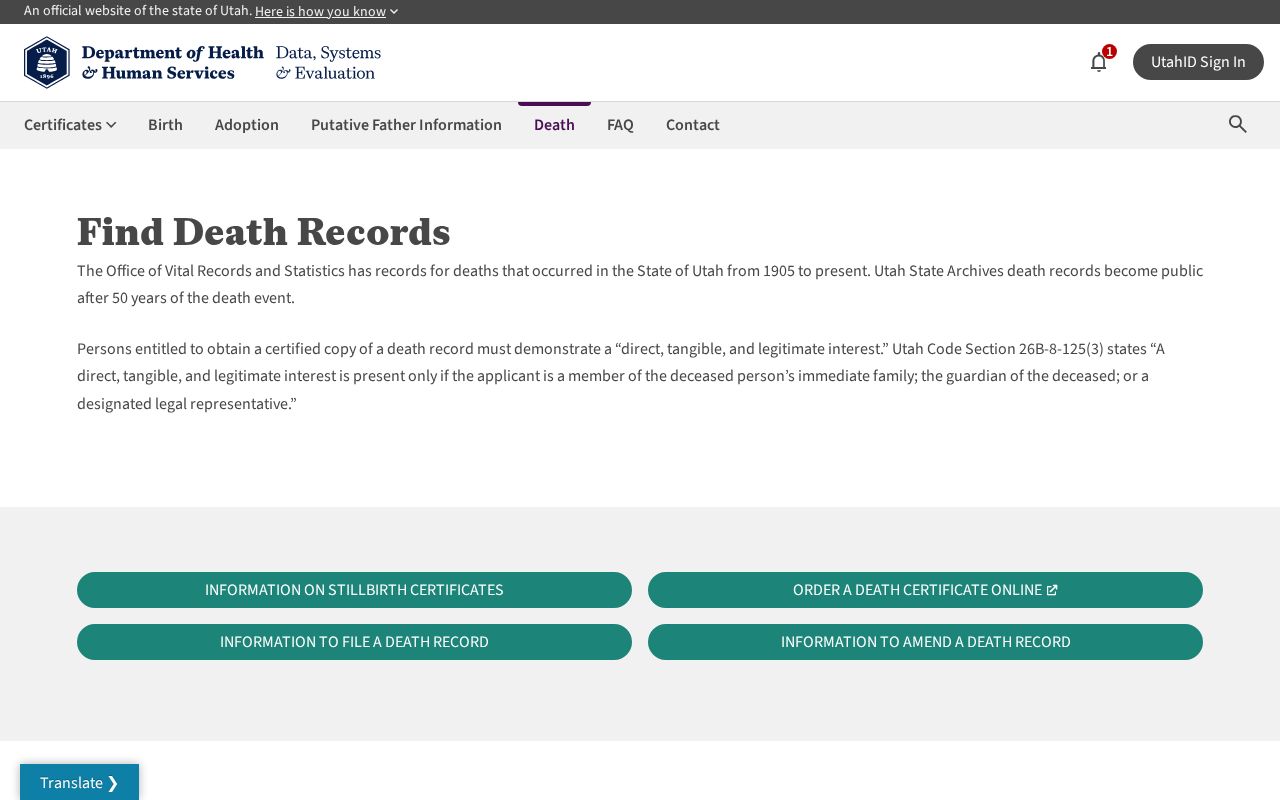
Public age, relationship, and identification rules can restrict a recent death record.
The Utah court-record request page describes how to ask for a copy when Xchange is not enough.
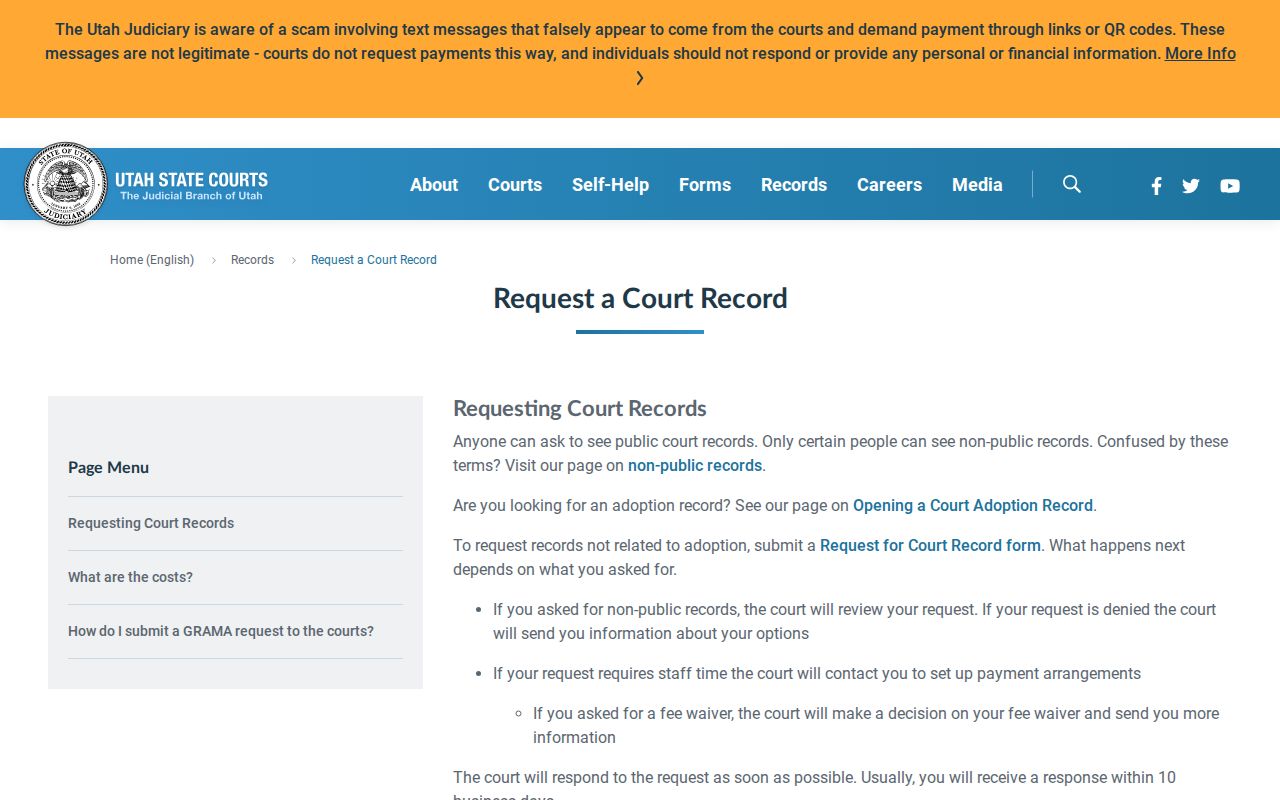
Ask for the case number and document type; a search result is not necessarily a certified copy.
The Weber Elections site is the county-specific elections starting point.
Use the county site for current office instructions and the state site for statewide voter-access rules.
The Utah Department of Corrections offender search has a defined corrections scope.
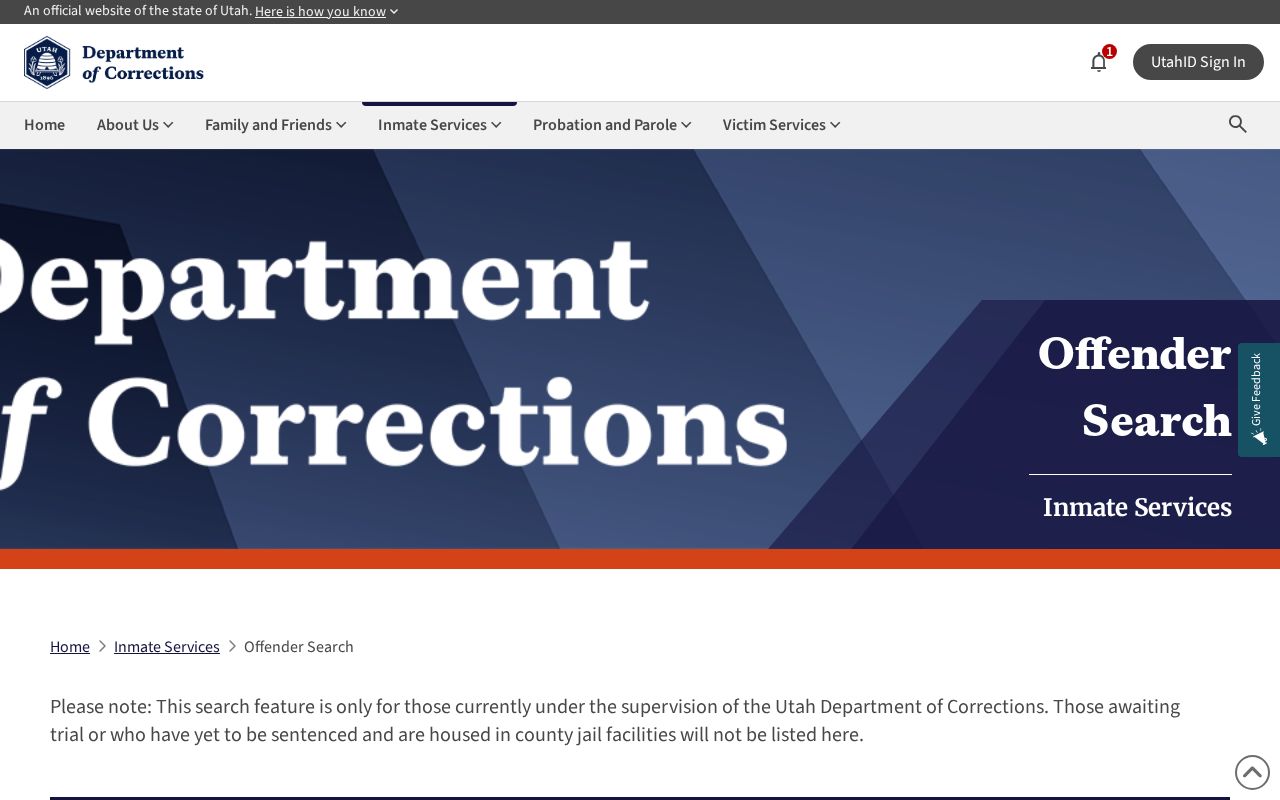
Its result should be read as a corrections record, not proof of current address or county residence.
The Utah BCI offender registries are another restricted-purpose source.
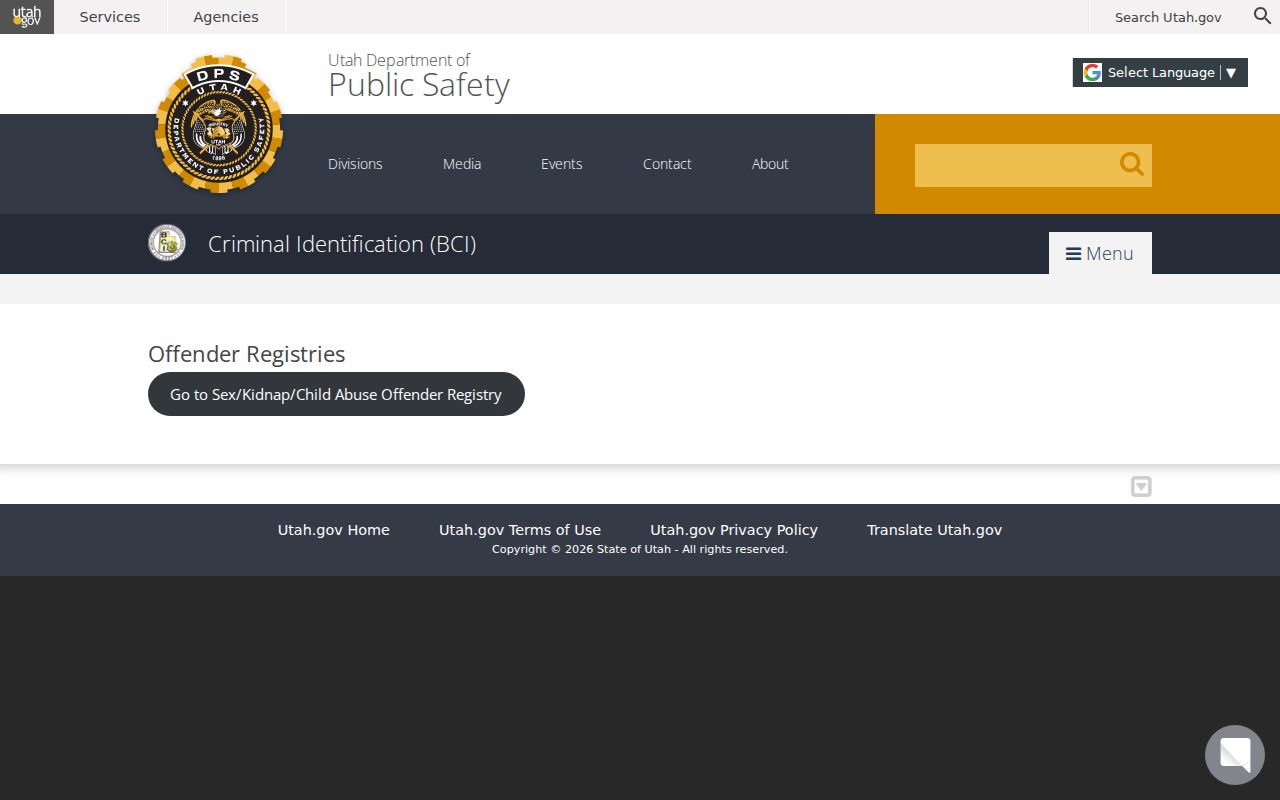
Registry rules and update dates matter; do not expand a registry hit into an unsupported identity claim.
The Weber County Sheriff roster terms state the access conditions for that roster.
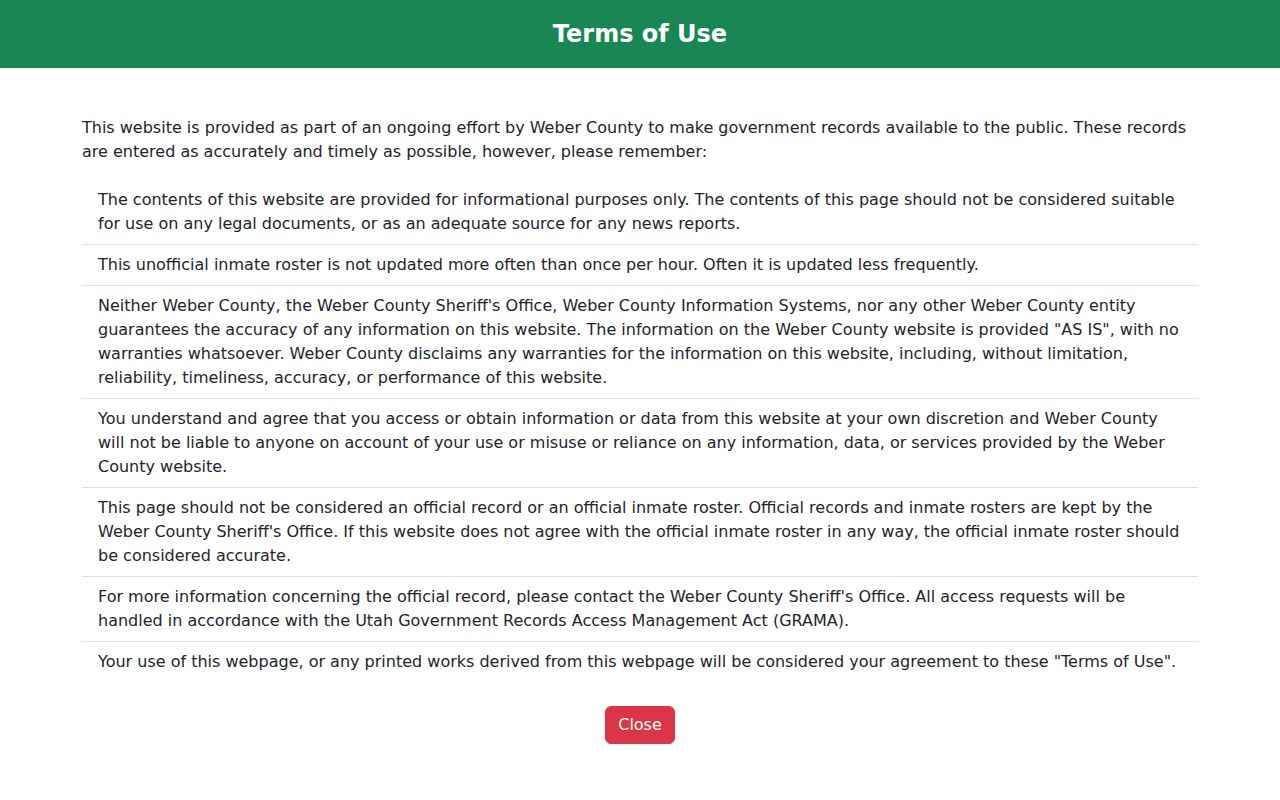
Terms and disclaimers are part of the source and should travel with any citation.
The Utah Courts fee schedule gives the current court-copy fee lead.
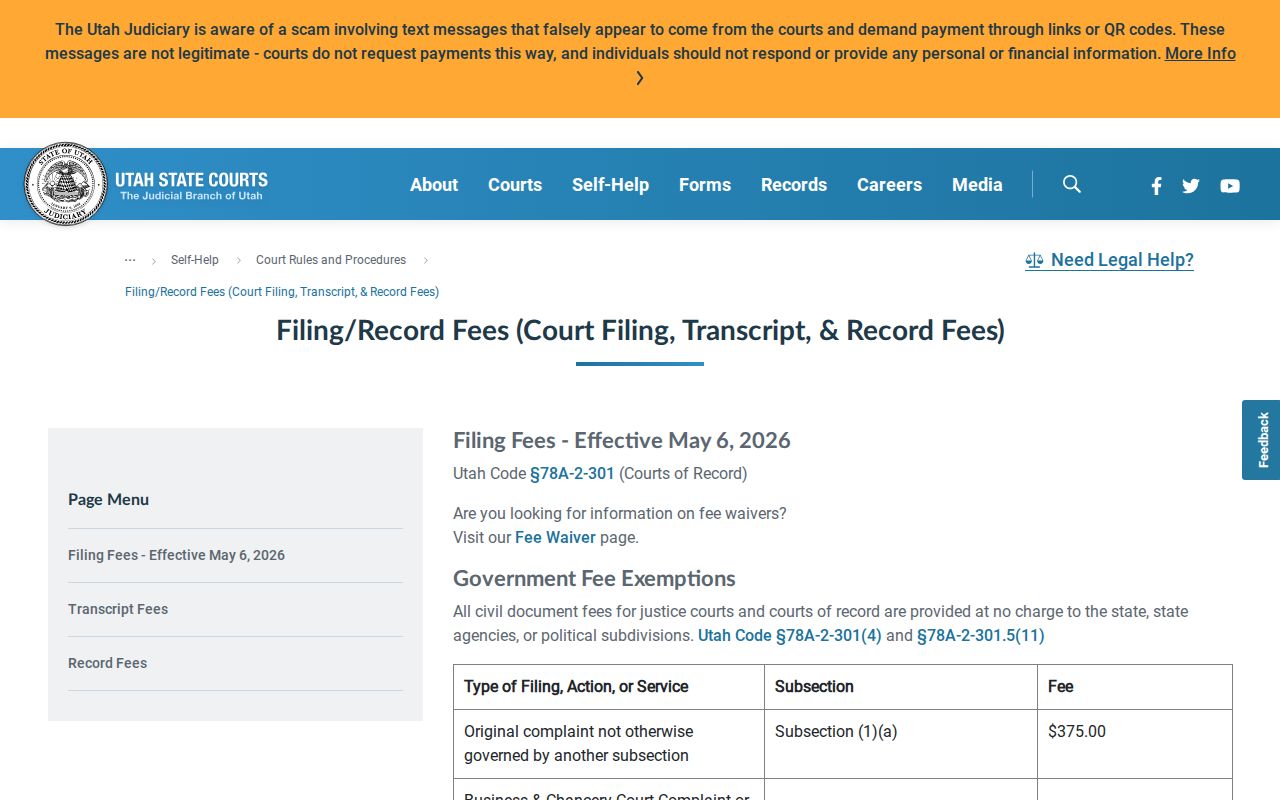
Fees and waiver rules can change, so confirm them before ordering a document.
The Utah CBR search is a business-entity source and a useful reminder that not every name hit is a person record.
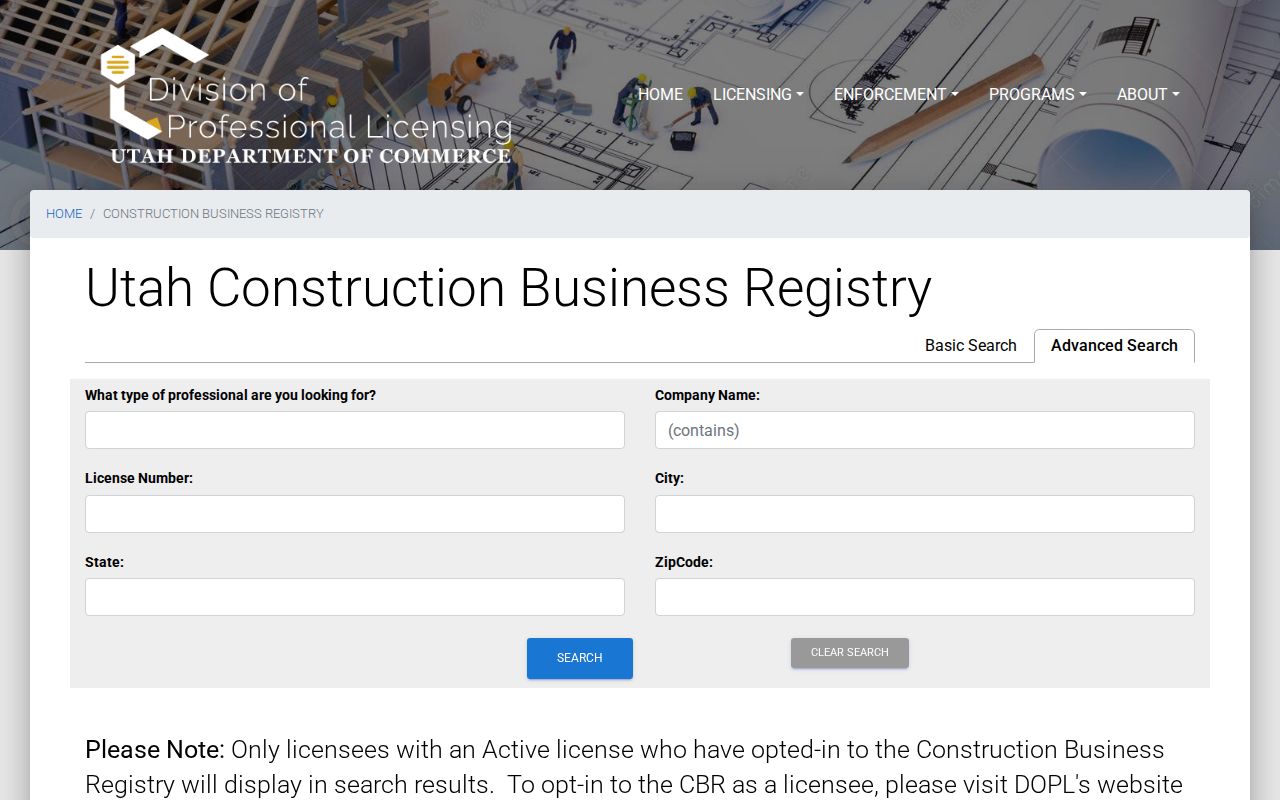
Keep entity names, party roles, and individual names in separate research notes.
The Weber County Sheriff roster is a live, limited-purpose county source.
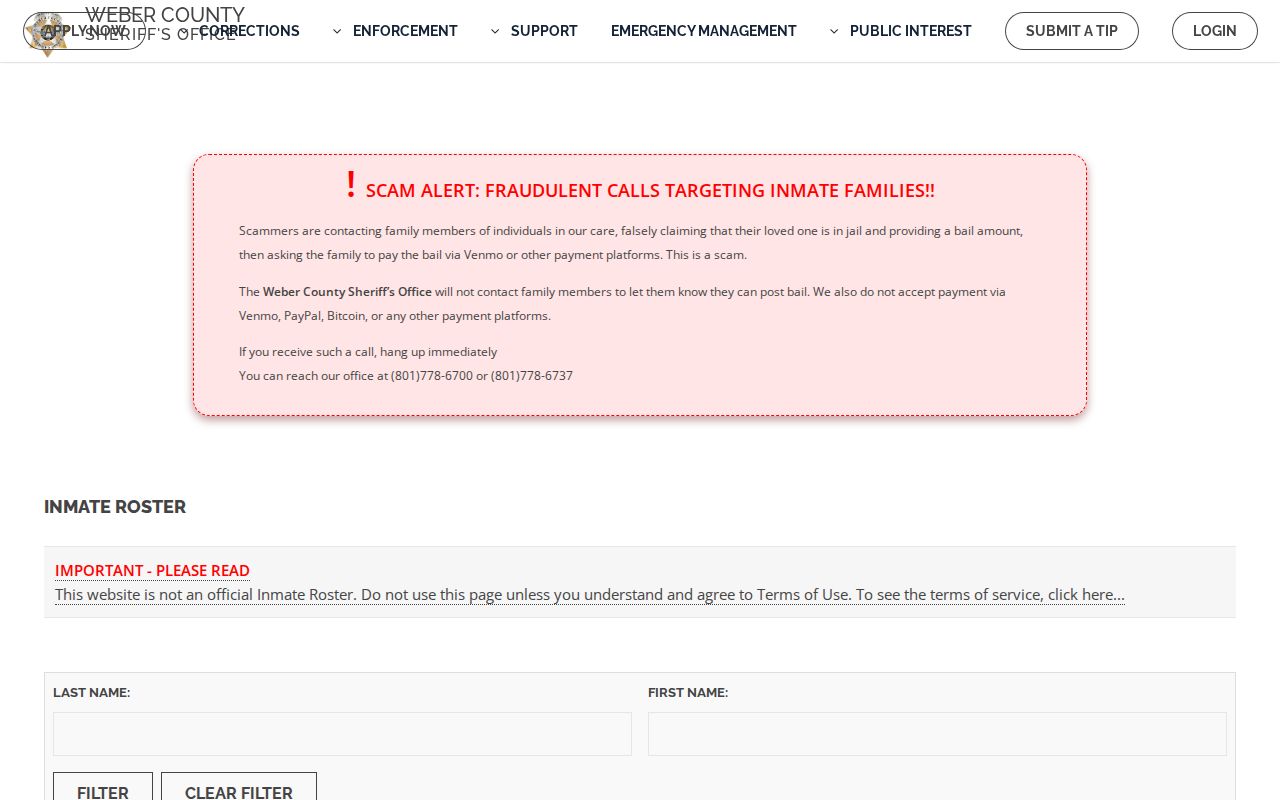
Read the roster’s date and terms; it is not a general current-resident roll.
The Utah birth-record guide explains historical birth research and access boundaries.
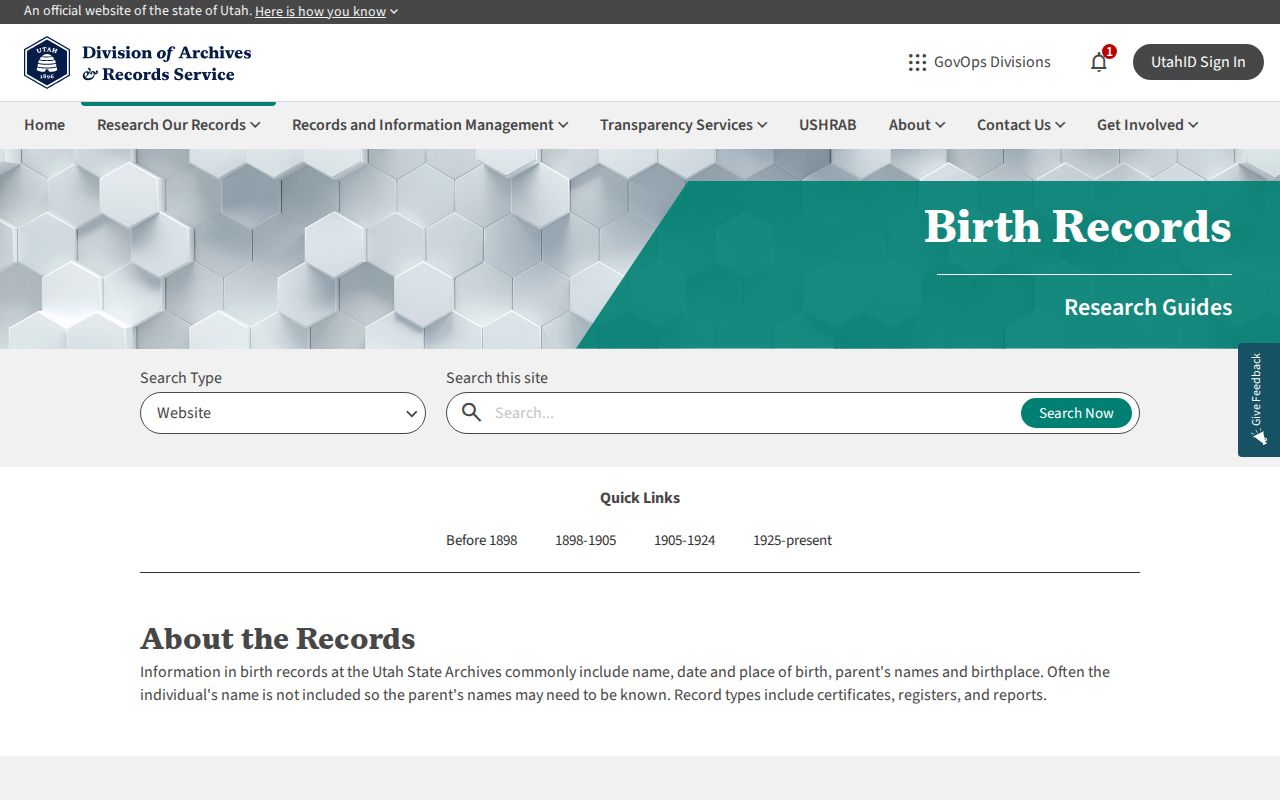
Use the guide to move from an index clue to the correct archive series.
The Utah Courts Xchange information page documents the service’s official scope.
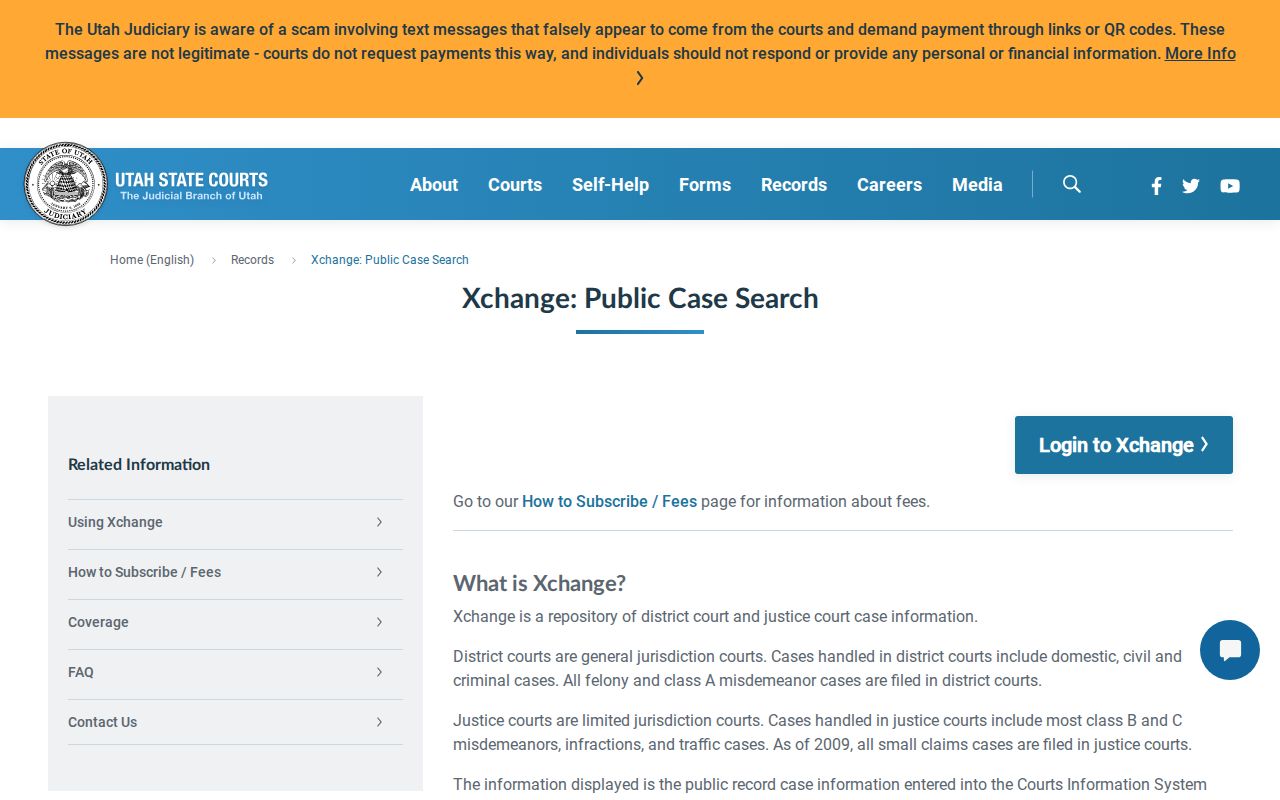
Search scope, redactions, and document availability should be checked at the time of use.
The Utah VINE victim-notification page is a safety and notification resource.
It is not a resident lookup; use it for the protective purpose described by the agency.
The Utah elections-data page explains the request route for voter data.
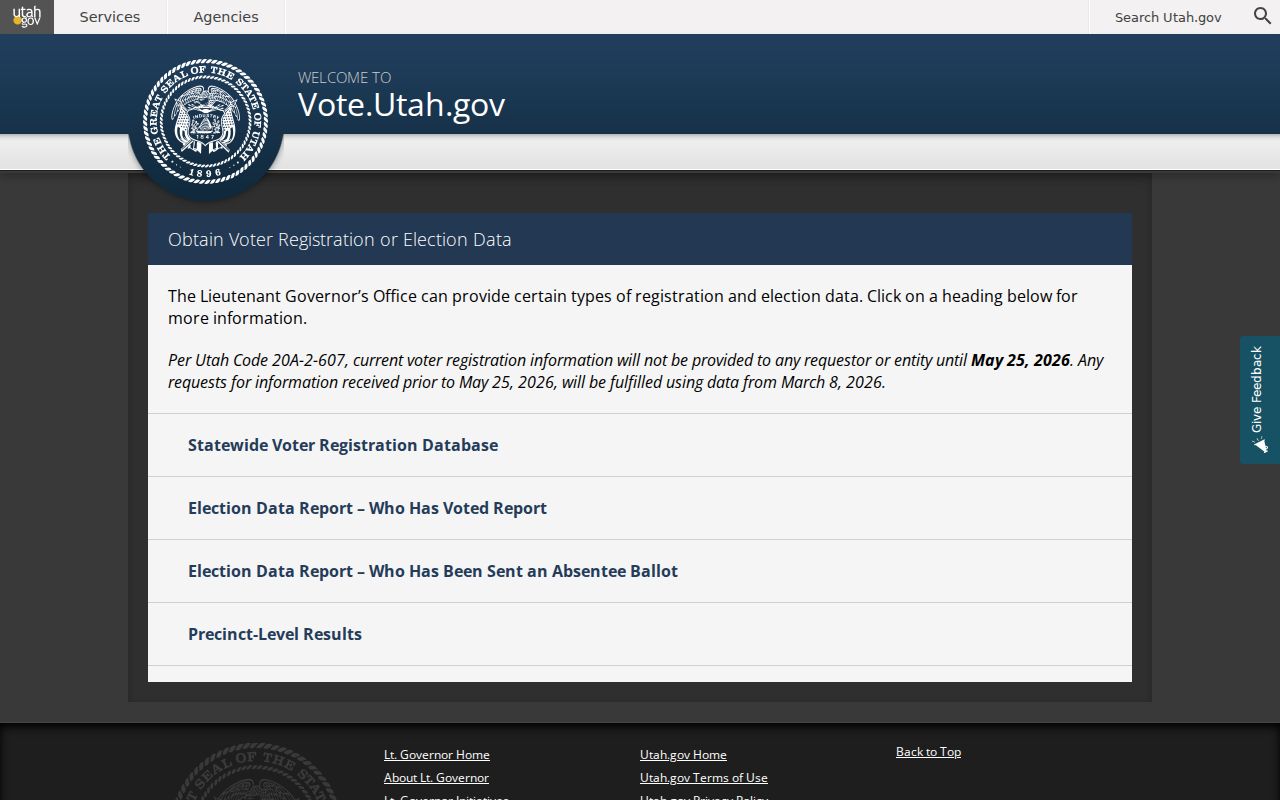
Follow the current request and privacy instructions instead of copying a search result into a directory.
The Utah death guide helps distinguish a historical index from a recent certificate.
Pair the archive lead with the person’s place, date, and family evidence.
The Utah Attorney General identity-theft guidance supplies a consumer-safety fallback when a name search raises concern.
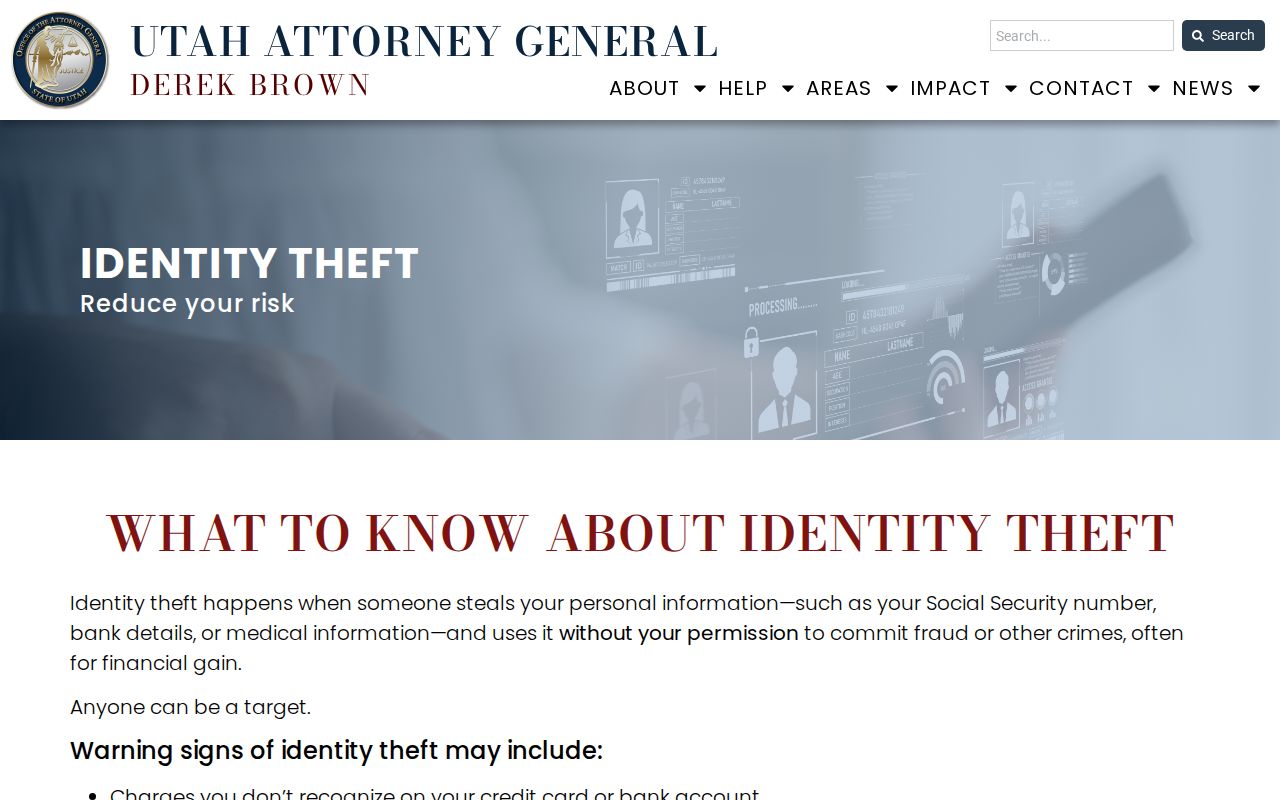
Safety guidance is more appropriate than expanding a personal search into unnecessary data collection.
The Archives announcement about Weber court indexes marks a change in online access.
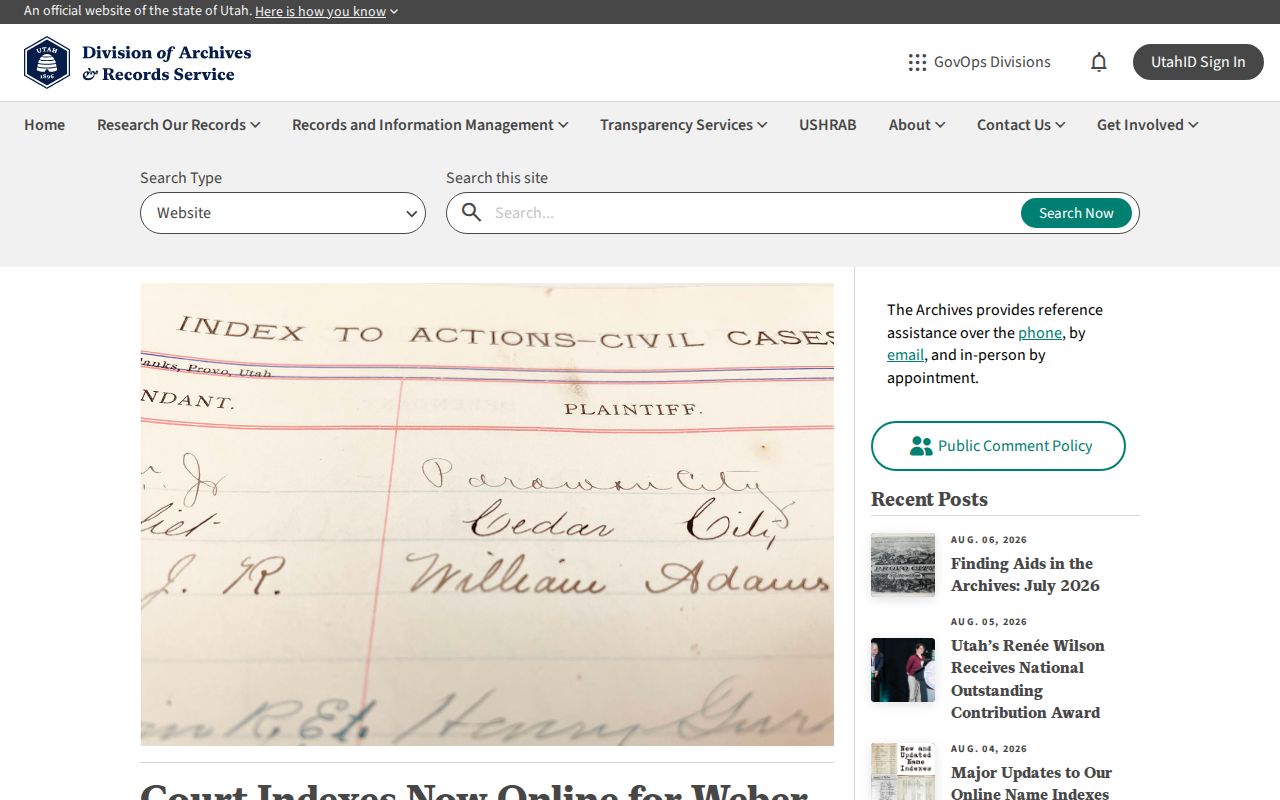
Archive announcements are time-stamped evidence; revisit the live index when repeating the search.
The Utah online vital-record ordering page is the state route for an eligible order.
Ordering requirements and fees depend on record type, age, and the requester’s eligibility.